Powdered Pure Cane Sugar
What is Powdered Pure Cane Sugar?
Powdered pure cane sugar, also known as confectioners' sugar or icing sugar, is granulated sugar that has been finely ground into a powder. It is made by milling granulated sugar with a small amount of cornstarch to prevent clumping. This process results in a smooth, soluble powder.
Is Powdered Pure Cane Sugar vegan?
Powdered Pure Cane Sugar is not animal-derived. Products that contain it can still include other animal-derived ingredients, so check the full ingredient list.
Is Powdered Pure Cane Sugar gluten-free?
It does not contain gluten.
Is Powdered Pure Cane Sugar a major allergen?
Powdered pure cane sugar is not a major allergen.
What is Powdered Pure Cane Sugar used for?
Manufacturers add powdered pure cane sugar primarily as a sweetener in a wide range of foods.
Is Powdered Pure Cane Sugar safe?
Powdered pure cane sugar is considered pure carbohydrate and provides calories.
Why it's used
Manufacturers add powdered pure cane sugar primarily as a sweetener in a wide range of foods. Its fine texture allows it to dissolve easily, making it ideal for frostings, icings, glazes, and desserts. It is also used in baked goods like cookies and cakes, and in candies and confections.
Health notes
Powdered pure cane sugar is considered pure carbohydrate and provides calories. The Dietary Guidelines for Americans recommend limiting added sugars. The FDA considers it Generally Recognized As Safe (GRAS). JECFA has evaluated sugar and found it safe for consumption, though it did not set a numeric limit. High intake of added sugars is linked to health concerns, but this is true for all caloric sweeteners.
Allergen info
Powdered pure cane sugar is not a major allergen. It does not contain gluten.
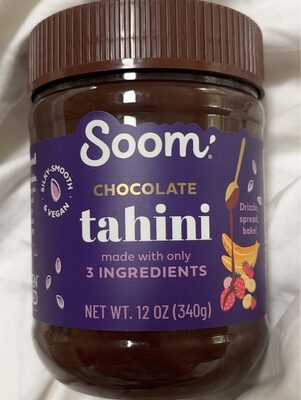
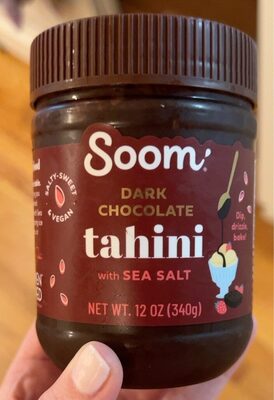
Foods that contain Powdered Pure Cane Sugar
Compare products →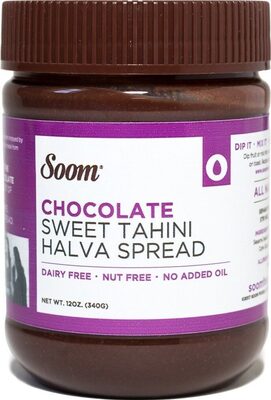
Learn more
Auto-generated content. This description was generated automatically and is pending editorial review. Inaccuracies are possible. Found a mistake? Contact us.