Powdered Soybean Paste
What is Powdered Soybean Paste?
Powdered soybean paste, often called miso powder, is a dry form of fermented soybean paste. It is made by fermenting soybeans with salt and koji (a type of mold), then drying and grinding the mixture into a powder. This process gives it a rich, savory, and slightly sweet flavor.
Is Powdered Soybean Paste vegan?
Powdered Soybean Paste is not animal-derived. Products that contain it can still include other animal-derived ingredients, so check the full ingredient list.
Is Powdered Soybean Paste a major allergen?
Soybean is one of the 9 FDA major allergens.
What is Powdered Soybean Paste used for?
Manufacturers use powdered soybean paste primarily as a flavor enhancer, adding a deep umami taste to foods.
Is Powdered Soybean Paste safe?
Powdered soybean paste is generally recognized as safe (GRAS) by the FDA for food use.
Why it's used
Manufacturers use powdered soybean paste primarily as a flavor enhancer, adding a deep umami taste to foods. Its powdered form makes it convenient for dry mixes and seasonings. It is commonly found in instant soups, broths, marinades, and snack seasonings.
Health notes
Powdered soybean paste is generally recognized as safe (GRAS) by the FDA for food use. It is a fermented product, and like other fermented foods, it may contain beneficial probiotics, though specific health claims are not established. JECFA has evaluated fermented soybean products, but no specific ADI was set. Evidence does not suggest adverse health effects at typical consumption levels.
Allergen info
Soybean is one of the 9 FDA major allergens. Powdered soybean paste is derived from soybeans.
Foods that contain Powdered Soybean Paste
Compare products →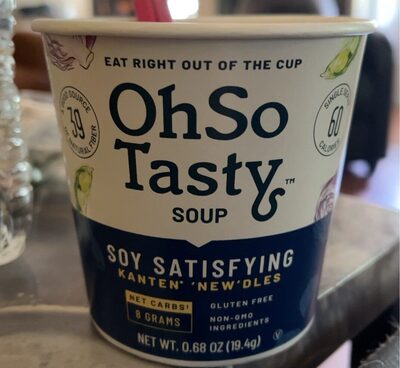 Happy Planet LLC
Soy Satisfying Soup, Soy Satisfying
High in sodium — 29% DV per serving
309kcal
15.5Protein
7.7Fat
56.7Carbs
Happy Planet LLC
Soy Satisfying Soup, Soy Satisfying
High in sodium — 29% DV per serving
309kcal
15.5Protein
7.7Fat
56.7Carbs
 Happy Planet LLC
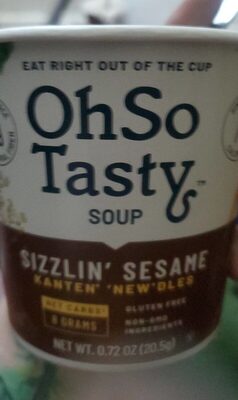
Sizzlin' Sesame Soup, Sizzlin' Sesame
High in sodium — 29% DV per serving
341kcal
14.6Protein
14.6Fat
58.5Carbs
Happy Planet LLC
Sizzlin' Sesame Soup, Sizzlin' Sesame
High in sodium — 29% DV per serving
341kcal
14.6Protein
14.6Fat
58.5Carbs
 Happy Planet LLC
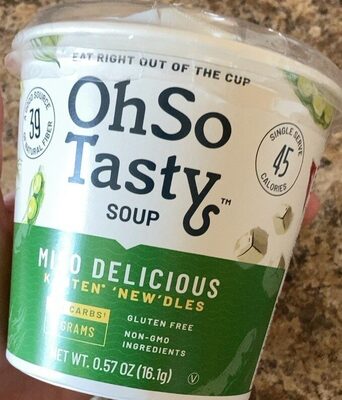
Miso Delicious Soup, Miso Delicious
High in sodium — 30% DV per serving
280kcal
12.4Protein
6.2Fat
62.1Carbs
Happy Planet LLC
Miso Delicious Soup, Miso Delicious
High in sodium — 30% DV per serving
280kcal
12.4Protein
6.2Fat
62.1Carbs
Learn more
Auto-generated content. This description was generated automatically and is pending editorial review. Inaccuracies are possible. Found a mistake? Contact us.