Pressed Palm Oil
Auto-generated content. This description was generated automatically and is pending editorial review. Inaccuracies are possible. Found a mistake? Contact us.
What it is
Pressed palm oil is a vegetable oil extracted from the fruit of oil palm trees. It is a semi-solid at room temperature and is known for its stability and versatility. The oil is obtained by pressing the fruit pulp, and can be further refined.
Why it's used
Manufacturers use pressed palm oil as a cooking oil and as an ingredient in processed foods. Its semi-solid texture makes it useful in baked goods, shortenings, and margarine. It is also found in snacks, confectionery, and some dairy alternatives.
Health notes
Pressed palm oil is generally recognized as safe (GRAS) by the FDA for use in food. It is a source of saturated fat, and dietary guidelines recommend limiting saturated fat intake. International bodies like JECFA and EFSA have evaluated palm oil and its components. Some research has explored potential health effects, but evidence is mixed and often debated.
Allergen info
Not a major allergen. Palm oil is not derived from any of the nine major allergens recognized by the FDA.
Products containing Pressed Palm Oil
Compare products →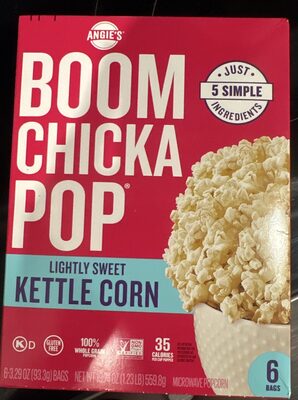 Angie's Artisan Treats, LLC
Lightly Sweet Kettle Corn Microwave Popcorn, Lightly Sweet
High in saturated fat — 25% DV per serving
486kcal
5.7Protein
31.4Fat
51.4Carbs
Angie's Artisan Treats, LLC
Lightly Sweet Kettle Corn Microwave Popcorn, Lightly Sweet
High in saturated fat — 25% DV per serving
486kcal
5.7Protein
31.4Fat
51.4Carbs
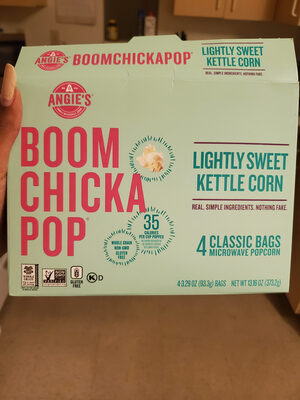 Angie's Artisan Treats, LLC
Lightly Sweet Kettle Corn Microwave Popcorn, Lightly Sweet
High in saturated fat — 25% DV per serving
486kcal
5.7Protein
31.4Fat
51.4Carbs
Angie's Artisan Treats, LLC
Lightly Sweet Kettle Corn Microwave Popcorn, Lightly Sweet
High in saturated fat — 25% DV per serving
486kcal
5.7Protein
31.4Fat
51.4Carbs
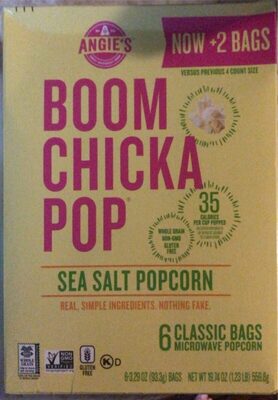 Angie's Artisan Treats, LLC
Sea Salt Microwave Popcorn, Sea Salt
High in saturated fat — 25% DV per serving
486kcal
8.6Protein
28.6Fat
57.1Carbs
Angie's Artisan Treats, LLC
Sea Salt Microwave Popcorn, Sea Salt
High in saturated fat — 25% DV per serving
486kcal
8.6Protein
28.6Fat
57.1Carbs
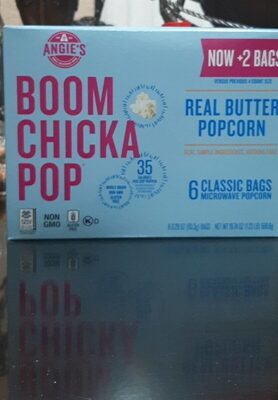 Angie's Artisan Treats, LLC
Real Butter Microwave Popcorn, Real Butter
High in saturated fat — 25% DV per serving
486kcal
8.6Protein
28.6Fat
57.1Carbs
Angie's Artisan Treats, LLC
Sea Salt Popcorn, Sea Salt
High in saturated fat — 25% DV per serving
486kcal
8.6Protein
28.6Fat
57.1Carbs
Angie's Artisan Treats, LLC
Real Butter Microwave Popcorn, Real Butter
High in saturated fat — 25% DV per serving
486kcal
8.6Protein
28.6Fat
57.1Carbs
Angie's Artisan Treats, LLC
Sea Salt Popcorn, Sea Salt
High in saturated fat — 25% DV per serving
486kcal
8.6Protein
28.6Fat
57.1Carbs