Processed Salt
What is Processed Salt?
Processed salt is primarily sodium chloride, a mineral compound. It is typically obtained from underground salt deposits or by evaporating seawater, then refined to remove impurities and create a consistent crystal size.
Is Processed Salt vegan?
Processed Salt is not animal-derived. Products that contain it can still include other animal-derived ingredients, so check the full ingredient list.
Is Processed Salt a major allergen?
Not a major allergen.
What is Processed Salt used for?
Manufacturers add processed salt primarily for flavor enhancement, making foods taste better.
Is Processed Salt safe?
Processed salt (sodium chloride) is generally recognized as safe (GRAS) by the U.S. Food and Drug Administration (FDA).
Why it's used
Manufacturers add processed salt primarily for flavor enhancement, making foods taste better. It also acts as a preservative by drawing out moisture, which helps prevent spoilage. It is commonly found in snacks like popcorn, chips, nuts, and pretzels, as well as in nut butters.
Health notes
Processed salt (sodium chloride) is generally recognized as safe (GRAS) by the U.S. Food and Drug Administration (FDA). Sodium is an essential nutrient, but consuming too much can be a health concern. The FDA's Daily Value for sodium is 2,300 milligrams. While JECFA and EFSA have not set an Acceptable Daily Intake (ADI) for sodium chloride, its role in diet and health has been extensively studied by global health organizations.
Allergen info
Not a major allergen.
Foods that contain Processed Salt
Compare products → Wismettac Asian Foods, Inc.
Caramel & Butter Flavored Cinema Popcorn, Caramel & Butter
512kcal
4.7Protein
27.9Fat
62.8Carbs
Wismettac Asian Foods, Inc.
Caramel & Butter Flavored Cinema Popcorn, Caramel & Butter
512kcal
4.7Protein
27.9Fat
62.8Carbs
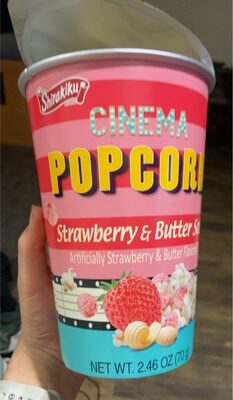 Wismettac Asian Foods, Inc.
Strawberry & Butter Salt Cinema Popcorn, Strawberry & Butter Salt
High in added sugars — 30% DV per serving
457kcal
2.9Protein
17.1Fat
77.1Carbs
Wismettac Asian Foods, Inc.
Strawberry & Butter Salt Cinema Popcorn, Strawberry & Butter Salt
High in added sugars — 30% DV per serving
457kcal
2.9Protein
17.1Fat
77.1Carbs
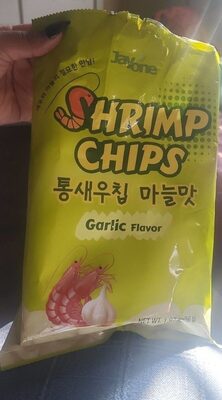 Jayone Foods, Inc.
Garlic Flavor Shrimp Chips, Garlic
High in sodium — 27% DV per serving
High in saturated fat — 45% DV per serving
536kcal
1.8Protein
32.1Fat
60.7Carbs
Daily Nuts and Fruits, Inc
Honey Butter Cinnamon Almonds, Honey Butter Cinnamon
High in saturated fat — 25% DV per serving
561kcal
14.3Protein
39.3Fat
42.9Carbs
Jayone Foods, Inc.
Garlic Flavor Shrimp Chips, Garlic
High in sodium — 27% DV per serving
High in saturated fat — 45% DV per serving
536kcal
1.8Protein
32.1Fat
60.7Carbs
Daily Nuts and Fruits, Inc
Honey Butter Cinnamon Almonds, Honey Butter Cinnamon
High in saturated fat — 25% DV per serving
561kcal
14.3Protein
39.3Fat
42.9Carbs
Learn more
Auto-generated content. This description was generated automatically and is pending editorial review. Inaccuracies are possible. Found a mistake? Contact us.