Pure Organic Xylitol
What is Pure Organic Xylitol?
Xylitol is a sugar alcohol that occurs naturally in small amounts in many fruits and vegetables. It is commercially produced from plant materials, such as birch wood or corn cobs, through a process called hydrogenation.
Is Pure Organic Xylitol vegan?
Pure Organic Xylitol is not animal-derived. Products that contain it can still include other animal-derived ingredients, so check the full ingredient list.
Is Pure Organic Xylitol gluten-free?
It does not contain gluten.
Is Pure Organic Xylitol a major allergen?
Xylitol is not derived from any of the 9 major FDA allergens.
What is Pure Organic Xylitol used for?
Xylitol is used as a low-calorie sweetener in a variety of food products, including baked goods, chewing gum, candies, and "sugar-free" or "diet" items.
Is Pure Organic Xylitol safe?
Xylitol is Generally Recognized As Safe (GRAS) by the FDA for use as a sweetener.
Why it's used
Xylitol is used as a low-calorie sweetener in a variety of food products, including baked goods, chewing gum, candies, and "sugar-free" or "diet" items. It provides a sweetness similar to sugar but with fewer calories and does not contribute to tooth decay.
Health notes
Xylitol is Generally Recognized As Safe (GRAS) by the FDA for use as a sweetener. It is metabolized differently than sugar and does not significantly raise blood glucose levels, making it a popular choice for people managing their sugar intake. While generally safe, consuming large amounts of xylitol can cause digestive upset, such as gas or diarrhea, in some individuals. JECFA has evaluated xylitol and established an acceptable daily intake.
Allergen info
Xylitol is not derived from any of the 9 major FDA allergens. It does not contain gluten.
Foods that contain Pure Organic Xylitol
Compare products →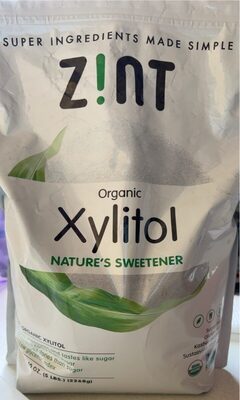
Learn more
Auto-generated content. This description was generated automatically and is pending editorial review. Inaccuracies are possible. Found a mistake? Contact us.