Refried Black Beans
What is Refried Black Beans?
Refried black beans are cooked and mashed black beans, typically seasoned with salt and spices like cumin and chili powder. They are often made by simmering dried black beans until tender, then mashing them and frying them with lard or oil. This process gives them a creamy texture and rich flavor.
Is Refried Black Beans gluten-free?
They are also naturally gluten-free.
Is Refried Black Beans a major allergen?
Black beans are not one of the 9 major allergens.
What is Refried Black Beans used for?
Refried black beans are commonly used as a side dish in Mexican and Tex-Mex cuisine, often served with tortillas or rice.
Is Refried Black Beans safe?
Refried black beans are a good source of fiber and protein.
Why it's used
Refried black beans are commonly used as a side dish in Mexican and Tex-Mex cuisine, often served with tortillas or rice. Manufacturers use them as a filling in burritos, tacos, enchiladas, and other Mexican-inspired dishes. Their creamy texture and savory flavor make them a versatile ingredient for adding substance and taste.
Health notes
Refried black beans are a good source of fiber and protein. The FDA considers black beans to be generally recognized as safe (GRAS). While specific health claims are not typically made for refried beans themselves, the fiber content can contribute to digestive health. JECFA and EFSA have evaluated various food ingredients but do not have specific evaluations for 'refried black beans' as a distinct food item.
Allergen info
Black beans are not one of the 9 major allergens. They are also naturally gluten-free.
Foods that contain Refried Black Beans
Compare products →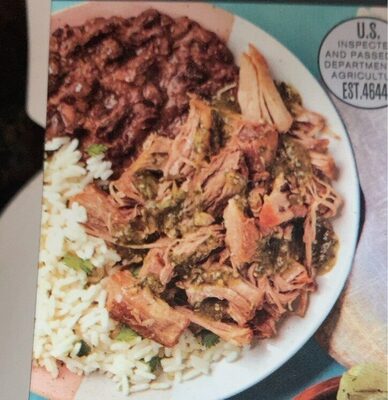 H E Butt Grocery Company
Pork Carnitas Mexican Recipe Shredded Pork Carnitas With Cilantro Rice, Refried Black Beans & Salsa Verde Sauce Bowl, Pork Carnitas
High in sodium — 50% DV per serving
High in saturated fat — 25% DV per serving
135kcal
8.3Protein
3.9Fat
17.3Carbs
Glutenfreeda Flagship, LLC
Burrito, Shredded Beef
High in saturated fat — 120% DV per serving
221kcal
7.1Protein
7.1Fat
31.9Carbs
Goya Foods, Inc.
Black Bean Mezzaluna Ravioli With Cilantro Cream Sauce, Black Bean With Cilantro
High in sodium — 33% DV per serving
High in saturated fat — 25% DV per serving
141kcal
6.8Protein
4.8Fat
18.0Carbs
H E Butt Grocery Company
Pork Carnitas Mexican Recipe Shredded Pork Carnitas With Cilantro Rice, Refried Black Beans & Salsa Verde Sauce Bowl, Pork Carnitas
High in sodium — 50% DV per serving
High in saturated fat — 25% DV per serving
135kcal
8.3Protein
3.9Fat
17.3Carbs
Glutenfreeda Flagship, LLC
Burrito, Shredded Beef
High in saturated fat — 120% DV per serving
221kcal
7.1Protein
7.1Fat
31.9Carbs
Goya Foods, Inc.
Black Bean Mezzaluna Ravioli With Cilantro Cream Sauce, Black Bean With Cilantro
High in sodium — 33% DV per serving
High in saturated fat — 25% DV per serving
141kcal
6.8Protein
4.8Fat
18.0Carbs
Auto-generated content. This description was generated automatically and is pending editorial review. Inaccuracies are possible. Found a mistake? Contact us.