Rhodiola Root
What is Rhodiola Root?
Rhodiola root, also known as golden root or arctic root, is a plant that grows in cold, high-altitude regions of Europe, Asia, and North America. It is typically dried and processed into powders or extracts for use in supplements and foods.
Is Rhodiola Root vegan?
Rhodiola Root is not animal-derived. Products that contain it can still include other animal-derived ingredients, so check the full ingredient list.
Is Rhodiola Root gluten-free?
It does not contain gluten.
Is Rhodiola Root a major allergen?
Rhodiola root is not one of the nine major allergens.
What is Rhodiola Root used for?
Rhodiola root is most often added to beverages and teas, particularly those marketed for energy or focus.
Is Rhodiola Root safe?
Rhodiola root is not an FDA-regulated food additive.
Why it's used
Rhodiola root is most often added to beverages and teas, particularly those marketed for energy or focus. It is used for its adaptogenic properties, believed to help the body manage stress and fatigue.
Health notes
Rhodiola root is not an FDA-regulated food additive. It is generally recognized as safe (GRAS) when used as a dietary ingredient in supplements. Regulatory bodies like EFSA have not established specific guidelines for its use in food. Research on its effects is ongoing, with some studies suggesting benefits for stress and fatigue, while others show mixed results. More research is needed to fully understand its long-term health impacts.
Allergen info
Rhodiola root is not one of the nine major allergens. It does not contain gluten.
Foods that contain Rhodiola Root
Compare products →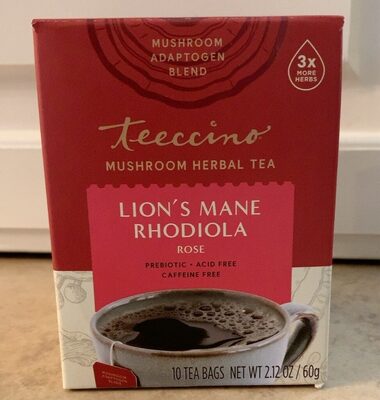
Auto-generated content. This description was generated automatically and is pending editorial review. Inaccuracies are possible. Found a mistake? Contact us.