Rice Vinegar Diluted With Water To 4.3% Acidity
What is Rice Vinegar Diluted With Water To 4.3% Acidity?
Rice vinegar is a fermented liquid made from rice. It's produced by fermenting cooked rice, often with the addition of a starter culture, to create alcohol, which is then further fermented into acetic acid. The resulting vinegar is typically diluted with water to achieve a specific acidity level, such as 4.3%.
Is Rice Vinegar Diluted With Water To 4.3% Acidity vegan?
Rice Vinegar Diluted With Water To 4.3% Acidity is not animal-derived. Products that contain it can still include other animal-derived ingredients, so check the full ingredient list.
Is Rice Vinegar Diluted With Water To 4.3% Acidity a major allergen?
Not a major allergen.
What is Rice Vinegar Diluted With Water To 4.3% Acidity used for?
Rice vinegar is primarily used as a flavoring agent in food.
Is Rice Vinegar Diluted With Water To 4.3% Acidity safe?
Rice vinegar is generally recognized as safe (GRAS) by the FDA for use in food.
Why it's used
Rice vinegar is primarily used as a flavoring agent in food. Its mild, slightly sweet taste makes it ideal for salad dressings, marinades, and sauces. It's a key ingredient in many Asian cuisines, particularly in sushi rice seasoning, pickles, and stir-fries.
Health notes
Rice vinegar is generally recognized as safe (GRAS) by the FDA for use in food. It's a common food ingredient with no specific health concerns associated with typical consumption levels. Regulatory bodies like JECFA and EFSA have evaluated vinegar and its components, generally finding them safe for use.
Allergen info
Not a major allergen.
Foods that contain Rice Vinegar Diluted With Water To 4.3% Acidity
Compare products →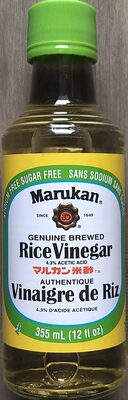
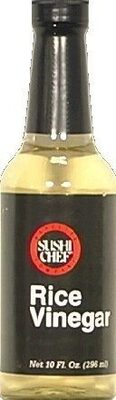
Learn more
Auto-generated content. This description was generated automatically and is pending editorial review. Inaccuracies are possible. Found a mistake? Contact us.