Riesling Wine
What is Riesling Wine?
Riesling is a white grape variety that originated in the Rhine region of Germany. It is known for its aromatic qualities and high acidity. Grapes are fermented to produce a wine that can range from very dry to very sweet.
Is Riesling Wine gluten-free?
It does not contain gluten.
Is Riesling Wine a major allergen?
Riesling wine is not derived from any of the 9 major allergens.
What is Riesling Wine used for?
Riesling wine is used in food as a flavoring agent, adding a distinct fruity and sometimes floral note.
Is Riesling Wine safe?
Riesling wine is a beverage and its consumption is subject to guidelines regarding alcohol intake.
Why it's used
Riesling wine is used in food as a flavoring agent, adding a distinct fruity and sometimes floral note. It can be found in sauces, dressings, marinades, and desserts, where it contributes acidity and complexity.
Health notes
Riesling wine is a beverage and its consumption is subject to guidelines regarding alcohol intake. The US FDA does not specifically regulate wine as a food ingredient in the same way as additives. JECFA has evaluated wine, but no specific ADI is set for wine as a food ingredient. Excessive alcohol consumption is linked to various health risks.
Allergen info
Riesling wine is not derived from any of the 9 major allergens. It does not contain gluten.
Foods that contain Riesling Wine
Compare products →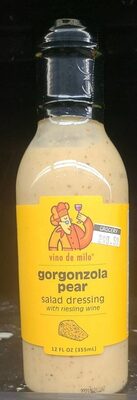 Milo's Whole World Gourmet, LLC
Gorgonzola Pear Dressing With Riesling Wine, Gorgonzola Pear
233kcal
3.3Protein
20Fat
10Carbs
Scooterlights.Com
Riesling Preserves, Strawberry
240kcal
0Protein
0Fat
60Carbs
Man Cave
Smoked Gouda & Riesling Chicken Sausages Links, Smoked Gouda & Riesling
High in cholesterol — 22% DV per serving
169kcal
19.7Protein
8.4Fat
4.2Carbs
Milo's Whole World Gourmet, LLC
Gorgonzola Pear Dressing With Riesling Wine, Gorgonzola Pear
233kcal
3.3Protein
20Fat
10Carbs
Scooterlights.Com
Riesling Preserves, Strawberry
240kcal
0Protein
0Fat
60Carbs
Man Cave
Smoked Gouda & Riesling Chicken Sausages Links, Smoked Gouda & Riesling
High in cholesterol — 22% DV per serving
169kcal
19.7Protein
8.4Fat
4.2Carbs
Learn more
Auto-generated content. This description was generated automatically and is pending editorial review. Inaccuracies are possible. Found a mistake? Contact us.