Salt And Sodium Tripolyphosphate To Retain Freshness
What is Salt And Sodium Tripolyphosphate To Retain Freshness?
Sodium tripolyphosphate (STPP) is a salt made from sodium and phosphorus. It is a white, powdery substance that is soluble in water. STPP is produced industrially by heating a mixture of sodium acid pyrophosphate and sodium carbonate.
Is Salt And Sodium Tripolyphosphate To Retain Freshness vegan?
Salt And Sodium Tripolyphosphate To Retain Freshness is not animal-derived. Products that contain it can still include other animal-derived ingredients, so check the full ingredient list.
Is Salt And Sodium Tripolyphosphate To Retain Freshness gluten-free?
It does not contain gluten.
Is Salt And Sodium Tripolyphosphate To Retain Freshness a major allergen?
Sodium tripolyphosphate is not derived from any of the FDA's major allergens.
What is Salt And Sodium Tripolyphosphate To Retain Freshness used for?
STPP is added to foods, especially seafood, to help them retain moisture and improve texture.
Is Salt And Sodium Tripolyphosphate To Retain Freshness safe?
STPP is generally recognized as safe (GRAS) by the FDA for use in food.
Why it's used
STPP is added to foods, especially seafood, to help them retain moisture and improve texture. It acts as a preservative and moisture retainer, making products like frozen shrimp appear plumper and juicier. It is also used in some processed meats and dairy products.
Health notes
STPP is generally recognized as safe (GRAS) by the FDA for use in food. The Joint FAO/WHO Expert Committee on Food Additives (JECFA) has evaluated STPP and established an acceptable daily intake. While generally considered safe in typical food amounts, excessive phosphorus intake from all sources can be a concern for individuals with kidney disease.
Allergen info
Sodium tripolyphosphate is not derived from any of the FDA's major allergens. It does not contain gluten.
Foods that contain Salt And Sodium Tripolyphosphate To Retain Freshness
Compare products →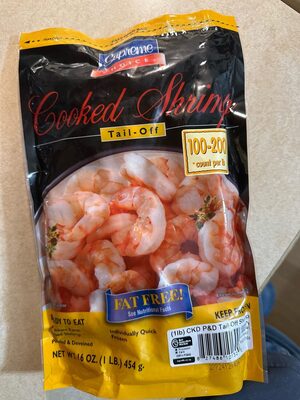
Auto-generated content. This description was generated automatically and is pending editorial review. Inaccuracies are possible. Found a mistake? Contact us.