San Marzano Whole Peeled Tomatoes
What is San Marzano Whole Peeled Tomatoes?
San Marzano tomatoes are a specific variety of plum tomato grown in the Agro Sarnese-Nocerino region of Italy, near Mount Vesuvius. They are known for their sweet flavor, lower acidity, and fewer seeds compared to other plum tomatoes. After harvesting, they are typically peeled and canned whole, often with added tomato puree or juice to preserve them.
Is San Marzano Whole Peeled Tomatoes vegan?
San Marzano Whole Peeled Tomatoes is not animal-derived. Products that contain it can still include other animal-derived ingredients, so check the full ingredient list.
Is San Marzano Whole Peeled Tomatoes gluten-free?
Tomatoes are not one of the nine major allergens and do not contain gluten.
What is San Marzano Whole Peeled Tomatoes used for?
Manufacturers use San Marzano tomatoes for their distinct flavor and texture, which adds a rich, sweet taste to dishes.
Is San Marzano Whole Peeled Tomatoes safe?
Tomatoes are a source of vitamins, minerals, and antioxidants like lycopene.
Why it's used
Manufacturers use San Marzano tomatoes for their distinct flavor and texture, which adds a rich, sweet taste to dishes. They are a popular choice for high-quality pasta sauces, pizzas, and other Italian-style dishes where the tomato flavor is central. Their firm yet tender flesh holds its shape well during cooking.
Health notes
Tomatoes are a source of vitamins, minerals, and antioxidants like lycopene. The FDA considers tomatoes to be generally recognized as safe (GRAS). Lycopene has been studied for its antioxidant properties, but research on its health benefits is ongoing, and no specific health claims are approved by the FDA. There are no widespread controversies or specific regulatory concerns regarding the consumption of tomatoes at typical dietary levels.
Allergen info
Tomatoes are not one of the nine major allergens and do not contain gluten.
Foods that contain San Marzano Whole Peeled Tomatoes
Compare products →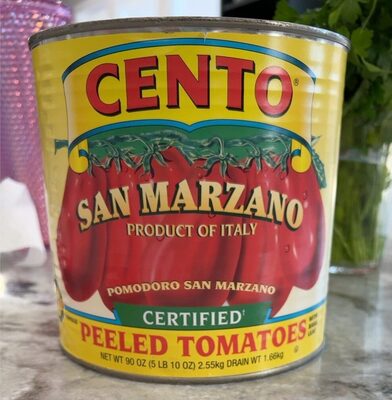
Auto-generated content. This description was generated automatically and is pending editorial review. Inaccuracies are possible. Found a mistake? Contact us.