Sauce Powder
What is Sauce Powder?
Sauce powder is typically a dehydrated mixture of ingredients used to create sauces, gravies, or seasoned coatings. It often contains a base like flour or cornstarch, flavorings (such as salt, spices, and dehydrated vegetables), and sometimes sweeteners or colorings. The powder is reconstituted with liquid, like water or broth, and heated to form a sauce.
Is Sauce Powder a major allergen?
Sauce powders may contain allergens depending on their specific ingredients.
What is Sauce Powder used for?
Manufacturers use sauce powder to provide convenient, shelf-stable flavor bases for a variety of dishes.
Is Sauce Powder safe?
Sauce powders are generally considered safe when consumed as part of a balanced diet.
Why it's used
Manufacturers use sauce powder to provide convenient, shelf-stable flavor bases for a variety of dishes. The starch component acts as a thickener, while the added seasonings create a desired taste profile. It is commonly found in seasoning mixes, dry soup mixes, marinades, and ethnic sauce preparations.
Health notes
Sauce powders are generally considered safe when consumed as part of a balanced diet. The specific ingredients within a sauce powder will determine its health profile. Sodium content can be high in many seasoning blends, and consumers mindful of sodium intake should check nutrition labels. Regulatory bodies like the FDA oversee the safety of individual ingredients used in these powders.
Allergen info
Sauce powders may contain allergens depending on their specific ingredients. Common allergens like wheat (from flour), soy (from soy sauce powder or other derivatives), and sometimes milk or sesame may be present. Consumers should always check the ingredient list for specific allergen warnings.
Foods that contain Sauce Powder
Compare products →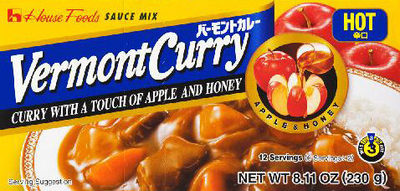 House Foods Corporation
House Foods, Vermont Curry Soup Mix, Apple & Honey, Apple & Honey
High in sodium — 38% DV per serving
526kcal
5.3Protein
36.8Fat
47.4Carbs
JFC International Inc.
Dynasty, Cantonese Fried Rice Seasoning Mix
286kcal
0Protein
0Fat
57.1Carbs
Maud Borup, Inc.
Bloody Mary Dip Or Cheeseball Mix, Bloody Mary
333kcal
0Protein
0Fat
66.7Carbs
House Foods Corporation
House Foods, Vermont Curry Soup Mix, Apple & Honey, Apple & Honey
High in sodium — 38% DV per serving
526kcal
5.3Protein
36.8Fat
47.4Carbs
JFC International Inc.
Dynasty, Cantonese Fried Rice Seasoning Mix
286kcal
0Protein
0Fat
57.1Carbs
Maud Borup, Inc.
Bloody Mary Dip Or Cheeseball Mix, Bloody Mary
333kcal
0Protein
0Fat
66.7Carbs
Learn more
Auto-generated content. This description was generated automatically and is pending editorial review. Inaccuracies are possible. Found a mistake? Contact us.