Sea Salt Truffles
What is Sea Salt Truffles?
Sea salt truffles are small, rich confections made from chocolate, cream, and butter, flavored with sea salt. The sea salt is typically added to the chocolate ganache filling, providing a contrast to the sweetness. They are often coated in additional chocolate or cocoa powder.
Is Sea Salt Truffles vegan?
No. Sea Salt Truffles is animal-derived, so it is not vegan.
Is Sea Salt Truffles a major allergen?
Sea salt truffles are not a major allergen.
What is Sea Salt Truffles used for?
Sea salt truffles are primarily used as a confectionery or dessert item, adding a gourmet touch to sweet dishes.
Is Sea Salt Truffles safe?
Sea salt truffles are a high-calorie, high-sugar, and high-fat food.
Why it's used
Sea salt truffles are primarily used as a confectionery or dessert item, adding a gourmet touch to sweet dishes. They can be found in ice cream, baked goods, and as standalone candies. Manufacturers use them to provide a salty-sweet flavor profile that is popular with consumers.
Health notes
Sea salt truffles are a high-calorie, high-sugar, and high-fat food. While sea salt itself is a source of minerals, the amounts in truffles are unlikely to contribute significantly to daily nutrient intake. Excessive consumption of foods high in sugar and saturated fat can be associated with health concerns. Regulatory bodies like the FDA do not set specific limits for sea salt in foods, but the Dietary Guidelines for Americans recommend limiting added sugars and saturated fats.
Allergen info
Sea salt truffles are not a major allergen. However, they are often made with dairy (milk, cream, butter), which is a major allergen. Check product labels for specific allergen information.
Foods that contain Sea Salt Truffles
Compare products →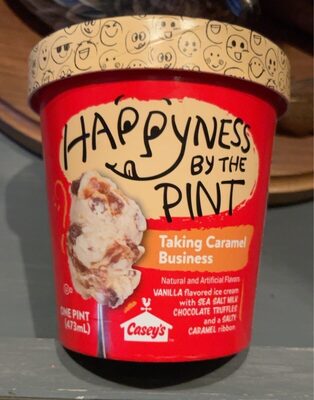 Casey's General Stores, Inc.
Taking Caramel Business Vanilla Flavored Ice Cream With Sea Salt Milk Chocolate Truffles And A Salty Caramel Ribbon, Taking Caramel Business
High in saturated fat — 60% DV per serving
High in added sugars — 46% DV per serving
252kcal
4.1Protein
14.6Fat
26.0Carbs
SmithFoods Inc.
Salty Caramel Vanilla Flavored Ice Cream With Sea Salt Milk Chocolate Truffles And A Salty Caramel Ribbon Premium Ice Cream, Salty Caramel Vanilla With Sea Salt Milk Chocolate Truffles
High in saturated fat — 35% DV per serving
High in added sugars — 32% DV per serving
236kcal
3.4Protein
12.4Fat
29.2Carbs
Meijer, Inc.
Caramel Truffle Vanilla Ice Cream With Sea Salt Truffles & A Salty Caramel Swirl, Caramel Truffle
High in saturated fat — 60% DV per serving
High in added sugars — 46% DV per serving
252kcal
4.1Protein
14.6Fat
26.8Carbs
Casey's General Stores, Inc.
Taking Caramel Business Vanilla Flavored Ice Cream With Sea Salt Milk Chocolate Truffles And A Salty Caramel Ribbon, Taking Caramel Business
High in saturated fat — 60% DV per serving
High in added sugars — 46% DV per serving
252kcal
4.1Protein
14.6Fat
26.0Carbs
SmithFoods Inc.
Salty Caramel Vanilla Flavored Ice Cream With Sea Salt Milk Chocolate Truffles And A Salty Caramel Ribbon Premium Ice Cream, Salty Caramel Vanilla With Sea Salt Milk Chocolate Truffles
High in saturated fat — 35% DV per serving
High in added sugars — 32% DV per serving
236kcal
3.4Protein
12.4Fat
29.2Carbs
Meijer, Inc.
Caramel Truffle Vanilla Ice Cream With Sea Salt Truffles & A Salty Caramel Swirl, Caramel Truffle
High in saturated fat — 60% DV per serving
High in added sugars — 46% DV per serving
252kcal
4.1Protein
14.6Fat
26.8Carbs
Auto-generated content. This description was generated automatically and is pending editorial review. Inaccuracies are possible. Found a mistake? Contact us.