Shellac And Carnauba Wax As Glazing Agents
What is Shellac And Carnauba Wax As Glazing Agents?
Shellac is a resin secreted by the lac bug. Carnauba wax is a hard wax derived from the leaves of the carnauba palm tree. Both are processed to create a smooth, glossy coating.
Is Shellac And Carnauba Wax As Glazing Agents vegan?
No. Shellac And Carnauba Wax As Glazing Agents is animal-derived, so it is not vegan.
Is Shellac And Carnauba Wax As Glazing Agents gluten-free?
Neither contains gluten.
Is Shellac And Carnauba Wax As Glazing Agents a major allergen?
Shellac is not derived from any of the 9 FDA major allergens.
What is Shellac And Carnauba Wax As Glazing Agents used for?
These natural waxes are used as glazing agents to give foods a shiny appearance and to protect them.
Is Shellac And Carnauba Wax As Glazing Agents safe?
Shellac and carnauba wax are generally recognized as safe (GRAS) by the FDA for use as food additives.
Why it's used
These natural waxes are used as glazing agents to give foods a shiny appearance and to protect them. They are commonly found in candies, chewing gum, and some baked goods to prevent sticking and add a polished look.
Health notes
Shellac and carnauba wax are generally recognized as safe (GRAS) by the FDA for use as food additives. They are indigestible and pass through the body without being absorbed. International bodies like JECFA and EFSA have evaluated these substances. No significant health concerns are associated with their consumption at typical levels.
Allergen info
Shellac is not derived from any of the 9 FDA major allergens. Carnauba wax is plant-derived and not a major allergen. Neither contains gluten.
Foods that contain Shellac And Carnauba Wax As Glazing Agents
Compare products →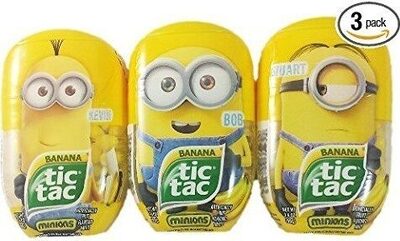 Ferrero U.S.A., Incorporated
Tic Tac, Minions Mints, Banana, Banana
388kcal
0Protein
0Fat
0Carbs
Ferrero U.S.A., Incorporated
Tic Tac, Minions Mints, Banana, Banana
388kcal
0Protein
0Fat
0Carbs
 Ferrero U.S.A., Incorporated
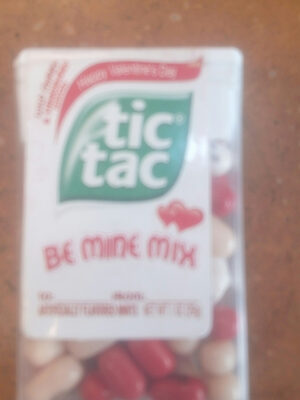
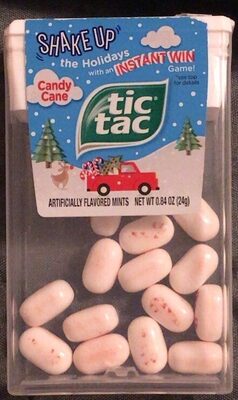
Tic Tac, Candy Cane
388kcal
0Protein
0Fat
0Carbs
Ferrero U.S.A., Incorporated
Tic Tac, Candy Cane
388kcal
0Protein
0Fat
0Carbs
 Ferrero U.S.A., Incorporated
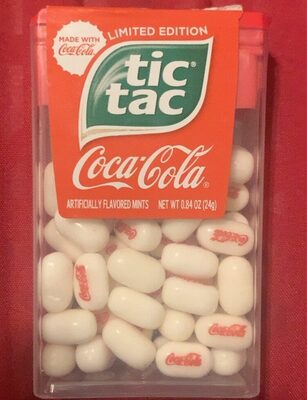
Coca-Cola Flavored Mints, Coca-Cola
0kcal
0Protein
0Fat
0Carbs
Ferrero U.S.A., Incorporated
Coca-Cola Flavored Mints, Coca-Cola
0kcal
0Protein
0Fat
0Carbs
 Ferrero U.S.A., Incorporated
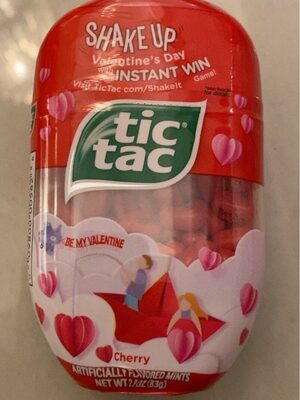
Cherry Flavored Mints, Cherry
0kcal
0Protein
0Fat
0Carbs
Ferrero U.S.A., Incorporated
Cherry Flavored Mints, Cherry
0kcal
0Protein
0Fat
0Carbs
 Ferrero U.S.A., Incorporated
Fresh Breath Mints Naughty Or Nice Candy Cane Hard Candy Mints
0kcal
0Protein
0Fat
0Carbs
Ferrero U.S.A., Incorporated
Mints, Wild Cherry & Strawberry
388kcal
0Protein
0Fat
0Carbs
Ferrero U.S.A., Incorporated
Tic Tac, Minions Mints, Banana, Banana
388kcal
0Protein
0Fat
0Carbs
Ferrero U.S.A., Incorporated
Tic Tac, Minions Mints, Banana, Banana
388kcal
0Protein
0Fat
0Carbs
Ferrero U.S.A., Incorporated
Candy Cane, Mint
388kcal
0Protein
0Fat
0Carbs
Ferrero U.S.A., Incorporated
Fruit Flavored Mints, Banana & Tangerine
388kcal
0Protein
0Fat
0Carbs
Ferrero U.S.A., Incorporated
Cherry Love Mints, Cherry
0kcal
0Protein
0Fat
0Carbs
Ferrero U.S.A., Incorporated
Fresh Breath Mints Naughty Or Nice Candy Cane Hard Candy Mints
0kcal
0Protein
0Fat
0Carbs
Ferrero U.S.A., Incorporated
Mints, Wild Cherry & Strawberry
388kcal
0Protein
0Fat
0Carbs
Ferrero U.S.A., Incorporated
Tic Tac, Minions Mints, Banana, Banana
388kcal
0Protein
0Fat
0Carbs
Ferrero U.S.A., Incorporated
Tic Tac, Minions Mints, Banana, Banana
388kcal
0Protein
0Fat
0Carbs
Ferrero U.S.A., Incorporated
Candy Cane, Mint
388kcal
0Protein
0Fat
0Carbs
Ferrero U.S.A., Incorporated
Fruit Flavored Mints, Banana & Tangerine
388kcal
0Protein
0Fat
0Carbs
Ferrero U.S.A., Incorporated
Cherry Love Mints, Cherry
0kcal
0Protein
0Fat
0Carbs
Auto-generated content. This description was generated automatically and is pending editorial review. Inaccuracies are possible. Found a mistake? Contact us.