Rice Starch
What is Rice Starch?
Rice starch is a carbohydrate derived from rice grains. It is produced by separating the starch from other components of the grain, such as protein and fiber, through a wet milling process. This results in a fine, white powder.
Is Rice Starch vegan?
Rice Starch is not animal-derived. Products that contain it can still include other animal-derived ingredients, so check the full ingredient list.
Is Rice Starch gluten-free?
Rice starch is also naturally gluten-free.
Is Rice Starch a major allergen?
Rice is not one of the nine major food allergens identified by the FDA.
What is Rice Starch used for?
Manufacturers use rice starch as a thickener, stabilizer, and texturizer in a wide range of food products.
Is Rice Starch safe?
Rice starch is generally recognized as safe (GRAS) by the U.S. Food and Drug Administration (FDA).
Why it's used
Manufacturers use rice starch as a thickener, stabilizer, and texturizer in a wide range of food products. It can provide a creamy texture in dairy items like yogurts and puddings, improve crispiness in fried coatings, and act as a binding agent in baked goods and processed meats.
Health notes
Rice starch is generally recognized as safe (GRAS) by the U.S. Food and Drug Administration (FDA). As a common food component, it is digested like other starches and does not have known adverse effects at typical consumption levels. The Joint FAO/WHO Expert Committee on Food Additives (JECFA) has evaluated starches and did not find it necessary to set a numeric acceptable daily intake (ADI not specified), considering them food components.
Allergen info
Rice is not one of the nine major food allergens identified by the FDA. Rice starch is also naturally gluten-free.
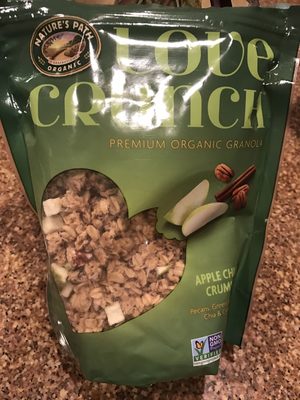
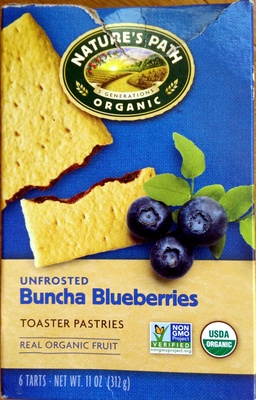
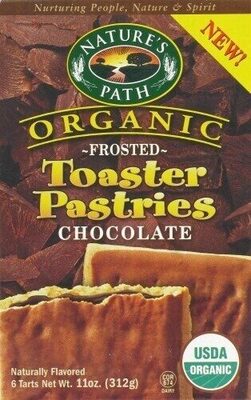
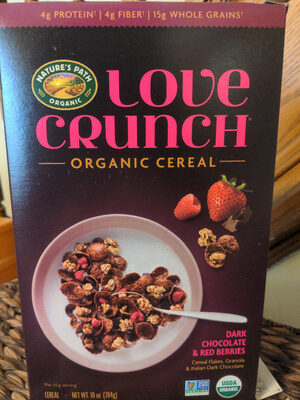
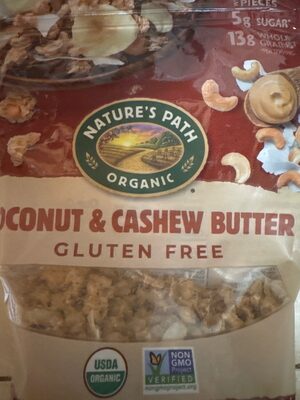
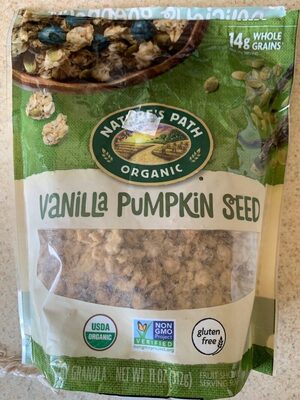
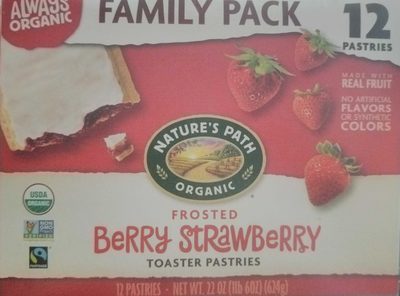
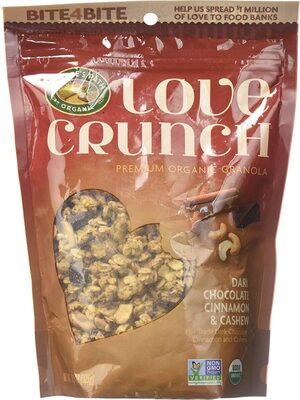
Foods that contain Rice Starch
Compare products →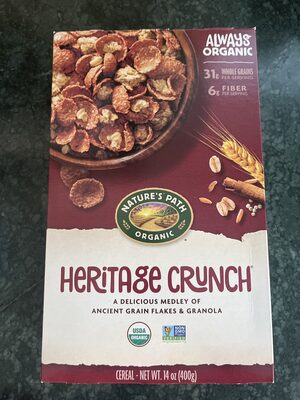
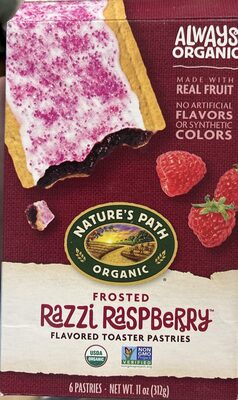
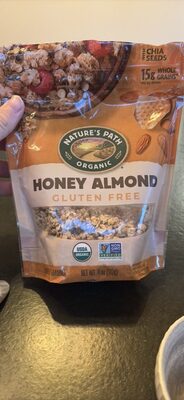
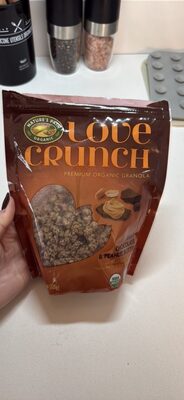
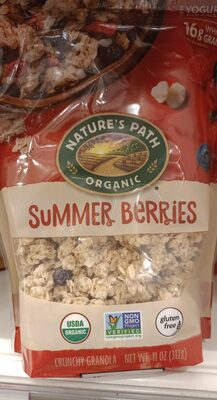
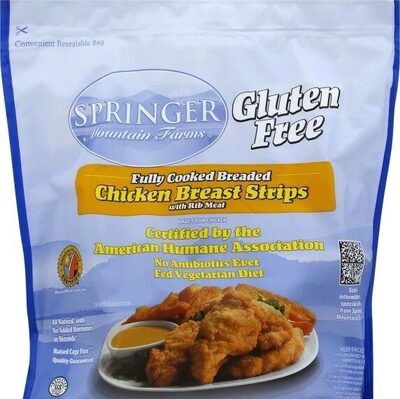
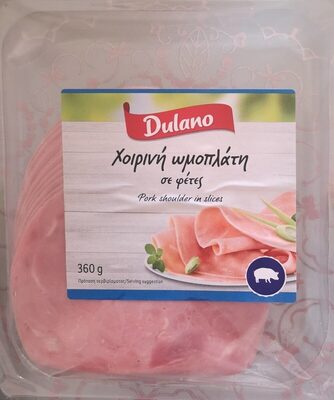
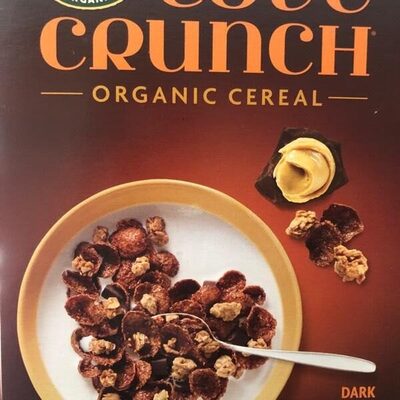
Learn more
Auto-generated content. This description was generated automatically and is pending editorial review. Inaccuracies are possible. Found a mistake? Contact us.