Sichuan Peppercorn Oil
What is Sichuan Peppercorn Oil?
Sichuan peppercorn oil is an oil extracted from the dried berries of the prickly ash shrub, native to China. The berries are typically crushed and then pressed or extracted using solvents to yield the flavorful oil.
Is Sichuan Peppercorn Oil vegan?
Sichuan Peppercorn Oil is not animal-derived. Products that contain it can still include other animal-derived ingredients, so check the full ingredient list.
Is Sichuan Peppercorn Oil gluten-free?
It is not a source of gluten.
Is Sichuan Peppercorn Oil a major allergen?
Sichuan peppercorn oil is not derived from any of the 9 major allergens.
What is Sichuan Peppercorn Oil used for?
This oil is primarily used to impart a unique, tingly, and numbing sensation, along with a citrusy aroma, to foods.
Is Sichuan Peppercorn Oil safe?
Sichuan peppercorn oil is generally recognized as safe (GRAS) by the FDA for use as a food ingredient.
Why it's used
This oil is primarily used to impart a unique, tingly, and numbing sensation, along with a citrusy aroma, to foods. It is a key ingredient in many Chinese dishes, particularly those from the Sichuan region, and is often found in marinades, sauces, and stir-fries.
Health notes
Sichuan peppercorn oil is generally recognized as safe (GRAS) by the FDA for use as a food ingredient. It is not typically associated with significant health concerns when consumed in amounts found in food. International bodies like JECFA have not set specific limits for its use, and there are no major controversies regarding its safety in typical dietary amounts.
Allergen info
Sichuan peppercorn oil is not derived from any of the 9 major allergens. It is not a source of gluten.
Foods that contain Sichuan Peppercorn Oil
Compare products →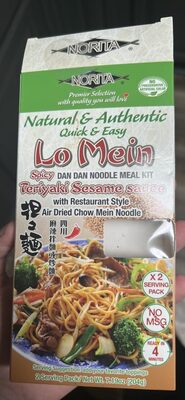 Luv Yu Bakery Inc.
Lo Mein Dan Dan Noodle Meal Kit, Lo Mein
High in sodium — 56% DV per serving
High in saturated fat — 25% DV per serving
412kcal
9.8Protein
13.7Fat
61.8Carbs
Cook! SF
Dan Dan Noodle Bowl Beyond Meat Beef Crumbles Tossed With Ramen In A Spicy Chinese Sesame Dressing., Dan Dan Noodle
High in sodium — 60% DV per serving
228kcal
10.1Protein
7.7Fat
28.9Carbs
Lwin Family Co.
Dan Dan Noodle Bowl
High in sodium — 60% DV per serving
228kcal
10.1Protein
7.7Fat
28.9Carbs
Luv Yu Bakery Inc.
Lo Mein Dan Dan Noodle Meal Kit, Lo Mein
High in sodium — 56% DV per serving
High in saturated fat — 25% DV per serving
412kcal
9.8Protein
13.7Fat
61.8Carbs
Cook! SF
Dan Dan Noodle Bowl Beyond Meat Beef Crumbles Tossed With Ramen In A Spicy Chinese Sesame Dressing., Dan Dan Noodle
High in sodium — 60% DV per serving
228kcal
10.1Protein
7.7Fat
28.9Carbs
Lwin Family Co.
Dan Dan Noodle Bowl
High in sodium — 60% DV per serving
228kcal
10.1Protein
7.7Fat
28.9Carbs
Learn more
Auto-generated content. This description was generated automatically and is pending editorial review. Inaccuracies are possible. Found a mistake? Contact us.