Sliced Beets
What is Sliced Beets?
Beets are root vegetables, typically deep red or purple, though other colors exist. They are often canned or pickled for preservation and convenience. The canning process involves washing, slicing, and heating the beets in a sealed container to kill microorganisms and prevent spoilage.
Is Sliced Beets vegan?
Sliced Beets is not animal-derived. Products that contain it can still include other animal-derived ingredients, so check the full ingredient list.
Is Sliced Beets gluten-free?
Beets are not one of the 9 major allergens recognized by the FDA, nor do they contain gluten.
What is Sliced Beets used for?
Manufacturers use sliced beets as a vegetable ingredient in canned goods, relishes, and pickled products.
Is Sliced Beets safe?
Beets are generally recognized as safe (GRAS) by the FDA as a food ingredient.
Why it's used
Manufacturers use sliced beets as a vegetable ingredient in canned goods, relishes, and pickled products. They add a distinct earthy flavor, vibrant color, and slightly sweet taste to foods. Their texture also contributes to the overall mouthfeel of the product.
Health notes
Beets are generally recognized as safe (GRAS) by the FDA as a food ingredient. They are a source of dietary fiber, vitamins, and minerals. While beets themselves are healthy, the preparation method (e.g., pickling with added sugar and salt) can affect the nutritional profile of the final product. JECFA and EFSA have evaluated beets and their components.
Allergen info
Beets are not one of the 9 major allergens recognized by the FDA, nor do they contain gluten.
Foods that contain Sliced Beets
Compare products →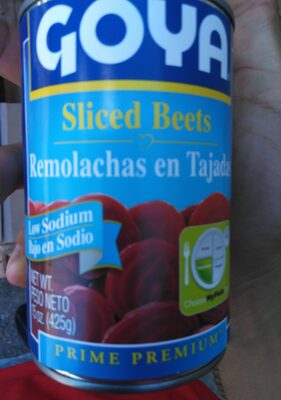
Auto-generated content. This description was generated automatically and is pending editorial review. Inaccuracies are possible. Found a mistake? Contact us.