Smoke Favoring
What is Smoke Favoring?
Liquid smoke is a manufactured flavoring that mimics the taste of smoked food. It is made by condensing the smoke produced from burning hardwoods like hickory or mesquite. The liquid is then filtered to remove harmful compounds and used as a food additive.
Is Smoke Favoring gluten-free?
Liquid smoke is not derived from any of the 9 FDA major allergens and does not contain gluten.
What is Smoke Favoring used for?
Manufacturers add liquid smoke to provide a smoky flavor to foods without traditional smoking methods.
Is Smoke Favoring safe?
Liquid smoke is generally recognized as safe (GRAS) by the FDA for use as a flavoring.
Why it's used
Manufacturers add liquid smoke to provide a smoky flavor to foods without traditional smoking methods. It is commonly used in processed meats, barbecue sauces, snacks like chips and nuts, and marinades. It can also be found in some cheeses and baked goods.
Health notes
Liquid smoke is generally recognized as safe (GRAS) by the FDA for use as a flavoring. It is important to note that some commercial liquid smoke products may contain PAHs (polycyclic aromatic hydrocarbons), which are compounds that can form during the burning of organic matter. Regulatory bodies like JECFA have evaluated flavoring substances, but specific evaluations for liquid smoke as a whole product may vary. Evidence on the health effects of consuming liquid smoke at typical levels is mixed, and some studies suggest potential concerns related to PAH content, though levels in most products are considered low.
Allergen info
Liquid smoke is not derived from any of the 9 FDA major allergens and does not contain gluten.
Foods that contain Smoke Favoring
Compare products →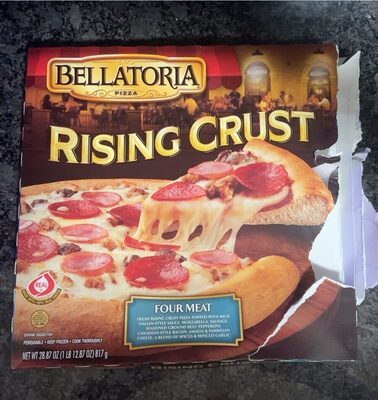 Bernatello's Pizza, Inc.
Supreme Fresh Rising Crust Pizza With Rich Italian-Style Sauce, Mozzarella, Sausage, Pepperoni, Canadian-Style Bacon, Green Olives, Roasted Green & Red Peppers, Red Onions, Asiago & Parmesan Cheese, A Blend Of Spices & Minced Garlic, Supreme
High in sodium — 32% DV per serving
High in saturated fat — 23% DV per serving
217kcal
9.8Protein
7.7Fat
27.3Carbs
Bernatello's Pizza, Inc.
Supreme Fresh Rising Crust Pizza With Rich Italian-Style Sauce, Mozzarella, Sausage, Pepperoni, Canadian-Style Bacon, Green Olives, Roasted Green & Red Peppers, Red Onions, Asiago & Parmesan Cheese, A Blend Of Spices & Minced Garlic, Supreme
High in sodium — 32% DV per serving
High in saturated fat — 23% DV per serving
217kcal
9.8Protein
7.7Fat
27.3Carbs
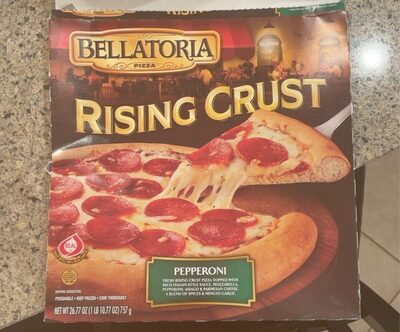 Bernatello's Pizza, Inc.
Pepperoni Fresh Rising Crust Pizza Topped With Rich Italian-Style Sauce, Mozzarella, Pepperoni, Asiago & Parmesan Cheese, A Blend Of Spices & Minced Garlic, Pepperoni
High in sodium — 35% DV per serving
High in saturated fat — 25% DV per serving
232kcal
9.9Protein
8.0Fat
29.8Carbs
A.M. Braswell, Jr. Food Co. Inc.
Bacon Jalapeno Queso Dip, Bacon
233kcal
6.7Protein
16.7Fat
13.3Carbs
Taylor Fresh Foods, Inc.
Chicken Bacon Cobb With Chicken Breast With Rib Meat And Bacon Salad, Chicken Bacon Cobb
130kcal
6Protein
10Fat
5Carbs
Bernatello's Pizza, Inc.
Pepperoni Fresh Rising Crust Pizza Topped With Rich Italian-Style Sauce, Mozzarella, Pepperoni, Asiago & Parmesan Cheese, A Blend Of Spices & Minced Garlic, Pepperoni
High in sodium — 35% DV per serving
High in saturated fat — 25% DV per serving
232kcal
9.9Protein
8.0Fat
29.8Carbs
A.M. Braswell, Jr. Food Co. Inc.
Bacon Jalapeno Queso Dip, Bacon
233kcal
6.7Protein
16.7Fat
13.3Carbs
Taylor Fresh Foods, Inc.
Chicken Bacon Cobb With Chicken Breast With Rib Meat And Bacon Salad, Chicken Bacon Cobb
130kcal
6Protein
10Fat
5Carbs
Learn more
Auto-generated content. This description was generated automatically and is pending editorial review. Inaccuracies are possible. Found a mistake? Contact us.