Smoked Black Peppercorn
What is Smoked Black Peppercorn?
Smoked black peppercorns are whole black peppercorns that have been exposed to smoke, typically from burning wood. This process imparts a smoky flavor and aroma to the peppercorns, which are dried and then used whole, crushed, or ground. They offer a more complex flavor profile than regular black pepper.
Is Smoked Black Peppercorn vegan?
Smoked Black Peppercorn is not animal-derived. Products that contain it can still include other animal-derived ingredients, so check the full ingredient list.
Is Smoked Black Peppercorn a major allergen?
Not a major allergen.
What is Smoked Black Peppercorn used for?
Smoked black peppercorns are used to add a smoky, pungent flavor to a variety of foods.
Is Smoked Black Peppercorn safe?
Black pepper, in general, is considered safe for consumption.
Why it's used
Smoked black peppercorns are used to add a smoky, pungent flavor to a variety of foods. They are often found in spice blends, rubs for meats, marinades, and as a finishing spice for dishes like roasted vegetables, soups, and stews. Their distinct flavor makes them a popular choice for adding depth to savory recipes.
Health notes
Black pepper, in general, is considered safe for consumption. It is a common culinary spice and is not subject to FDA regulation as a food additive. While some compounds in black pepper have been studied for potential health effects, typical dietary intake is not associated with adverse health outcomes. Regulatory bodies like JECFA and EFSA have not set specific intake limits for black pepper as it is used as a spice.
Allergen info
Not a major allergen.
Foods that contain Smoked Black Peppercorn
Compare products → Man Cave
Original Sea Salt & Pepper Chicken Snack Stick, Original Sea Salt & Pepper
179kcal
21.4Protein
7.1Fat
7.1Carbs
Man Cave
Original Sea Salt & Pepper Chicken Snack Stick, Original Sea Salt & Pepper
179kcal
21.4Protein
7.1Fat
7.1Carbs
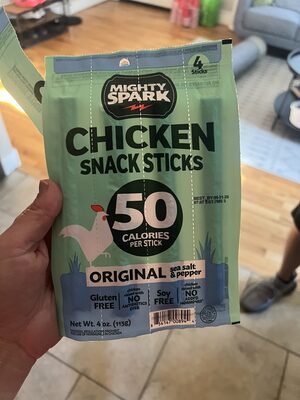 Man Cave
Original Sea Salt & Pepper Chicken Snack Stick, Original Sea Salt & Pepper
179kcal
21.4Protein
7.1Fat
7.1Carbs
Tillamook County Creamery Association
Smoked Black Pepper Natural White Cheddar Cheese, Deli Sliced
High in saturated fat — 20% DV per serving
400kcal
25Protein
35Fat
0Carbs
Man Cave
Original Sea Salt & Pepper Chicken Snack Stick, Original Sea Salt & Pepper
179kcal
21.4Protein
7.1Fat
7.1Carbs
Tillamook County Creamery Association
Smoked Black Pepper Natural White Cheddar Cheese, Deli Sliced
High in saturated fat — 20% DV per serving
400kcal
25Protein
35Fat
0Carbs
Learn more
Auto-generated content. This description was generated automatically and is pending editorial review. Inaccuracies are possible. Found a mistake? Contact us.