Smoked Onion
What is Smoked Onion?
Smoked onion is a type of onion that has been exposed to smoke, typically from burning wood. This process imparts a distinct smoky flavor and aroma to the onion. It is often used to add depth and complexity to dishes.
Is Smoked Onion vegan?
Smoked Onion is not animal-derived. Products that contain it can still include other animal-derived ingredients, so check the full ingredient list.
Is Smoked Onion gluten-free?
It does not contain gluten.
Is Smoked Onion a major allergen?
Smoked onion is not derived from any of the 9 FDA major allergens.
What is Smoked Onion used for?
Manufacturers add smoked onion to provide a savory, smoky flavor profile.
Is Smoked Onion safe?
Smoked onion is generally recognized as safe (GRAS) by the FDA when used as a food ingredient.
Why it's used
Manufacturers add smoked onion to provide a savory, smoky flavor profile. It is commonly found in seasoning mixes, rubs, marinades, sausages, and other processed meat products. It can also be used in dips, sauces, and vegetable dishes.
Health notes
Smoked onion is generally recognized as safe (GRAS) by the FDA when used as a food ingredient. It is a natural food product and does not have specific regulatory limits set by bodies like JECFA or EFSA. Like regular onions, it contains vitamins, minerals, and antioxidants. Some compounds formed during smoking, such as polycyclic aromatic hydrocarbons (PAHs), are present in low levels and are generally not a concern at typical dietary intakes.
Allergen info
Smoked onion is not derived from any of the 9 FDA major allergens. It does not contain gluten.
Foods that contain Smoked Onion
Compare products →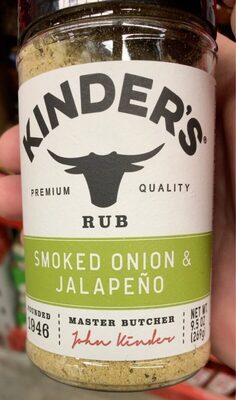 P. K. Kinder Co., Inc.
Smoked Onion & Jalapeno Rub, Smoked Onion & Jalapeno
0kcal
0Protein
0Fat
0Carbs
P. K. Kinder Co., Inc.
Smoked Onion & Jalapeno Rub, Smoked Onion & Jalapeno
0kcal
0Protein
0Fat
0Carbs
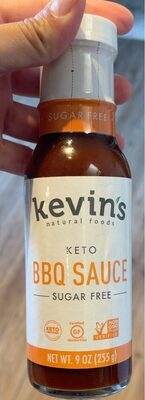 Cal Chefs, LLC
Mild BBQ Sugar Free Sauce, Mild BBQ
50kcal
0Protein
1.7Fat
20Carbs
Hillari Moon, LLC
Hillari Moon, Smoked Spice Blend
0kcal
0Protein
0Fat
0Carbs
Aidells Sausage Company
Smoked Chicken Sausage With Bacon, Cheese, Quinoa, Jalapeno, Black Beans, Bell Pepper, Corn, Barley And Onion, Jalapeno Bacon & Cheese
200kcal
14.3Protein
12.9Fat
5.7Carbs
Cal Chefs, LLC
Mild BBQ Sugar Free Sauce, Mild BBQ
50kcal
0Protein
1.7Fat
20Carbs
Hillari Moon, LLC
Hillari Moon, Smoked Spice Blend
0kcal
0Protein
0Fat
0Carbs
Aidells Sausage Company
Smoked Chicken Sausage With Bacon, Cheese, Quinoa, Jalapeno, Black Beans, Bell Pepper, Corn, Barley And Onion, Jalapeno Bacon & Cheese
200kcal
14.3Protein
12.9Fat
5.7Carbs
Learn more
Auto-generated content. This description was generated automatically and is pending editorial review. Inaccuracies are possible. Found a mistake? Contact us.