Smoked Tuna Powder
What is Smoked Tuna Powder?
Smoked tuna powder is made from dried, smoked tuna that has been ground into a fine powder. This process concentrates the savory, umami flavor of the fish. It is used to add a distinct seafood taste to various foods.
Is Smoked Tuna Powder vegan?
No. Smoked Tuna Powder is animal-derived, so it is not vegan.
Is Smoked Tuna Powder a major allergen?
Smoked tuna powder is derived from fish, which is one of the 9 major allergens recognized by the FDA.
What is Smoked Tuna Powder used for?
Manufacturers add smoked tuna powder to enhance the flavor of foods, particularly in savory applications.
Is Smoked Tuna Powder safe?
Smoked tuna powder is generally recognized as safe (GRAS) by the FDA when used as a food ingredient.
Why it's used
Manufacturers add smoked tuna powder to enhance the flavor of foods, particularly in savory applications. It is often found in instant soups, broths, sauces, and seasoned rice dishes to impart a rich, smoky fish taste.
Health notes
Smoked tuna powder is generally recognized as safe (GRAS) by the FDA when used as a food ingredient. It is a source of protein and omega-3 fatty acids. The FDA has not set specific upper intake limits for this ingredient. JECFA and EFSA have not specifically evaluated smoked tuna powder as a distinct additive, but fish and fish products are generally considered safe when consumed in moderation as part of a balanced diet.
Allergen info
Smoked tuna powder is derived from fish, which is one of the 9 major allergens recognized by the FDA. Consumers with fish allergies should avoid this ingredient.
Foods that contain Smoked Tuna Powder
Compare products →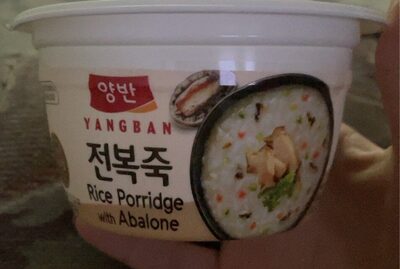 YANGBAN
Rice Porridge With Abalone
High in sodium — 27% DV per serving
42kcal
1.1Protein
0Fat
9.8Carbs
YANGBAN
Rice Porridge With Abalone
High in sodium — 27% DV per serving
42kcal
1.1Protein
0Fat
9.8Carbs
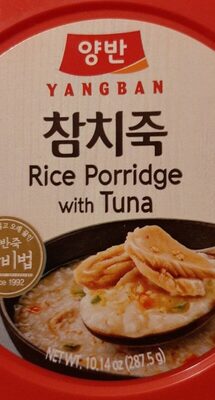 YANGBAN
Rice Porridge With Tuna
High in sodium — 24% DV per serving
53kcal
2.5Protein
0.3Fat
9.8Carbs
YANGBAN
Rice Porridge With Vegetable
High in sodium — 22% DV per serving
42kcal
1.1Protein
0Fat
9.8Carbs
YANGBAN
Rice Porridge With Tuna
High in sodium — 24% DV per serving
53kcal
2.5Protein
0.3Fat
9.8Carbs
YANGBAN
Rice Porridge With Vegetable
High in sodium — 22% DV per serving
42kcal
1.1Protein
0Fat
9.8Carbs
Learn more
Auto-generated content. This description was generated automatically and is pending editorial review. Inaccuracies are possible. Found a mistake? Contact us.