Stevia Leaf - Steviol Glycosides
What is Stevia Leaf - Steviol Glycosides?
Steviol glycosides are sweet compounds extracted from the leaves of the Stevia rebaudiana plant, native to South America. The extraction process involves isolating these sweet molecules from the plant material, often followed by purification steps to create a concentrated sweetener.
Is Stevia Leaf - Steviol Glycosides vegan?
Stevia Leaf - Steviol Glycosides is not animal-derived. Products that contain it can still include other animal-derived ingredients, so check the full ingredient list.
Is Stevia Leaf - Steviol Glycosides gluten-free?
They do not contain gluten.
Is Stevia Leaf - Steviol Glycosides a major allergen?
Steviol glycosides are derived from a plant and are not a major allergen.
What is Stevia Leaf - Steviol Glycosides used for?
Manufacturers add steviol glycosides to foods and beverages as a high-intensity, zero-calorie sweetener.
Is Stevia Leaf - Steviol Glycosides safe?
Steviol glycosides are Generally Recognized As Safe (GRAS) by the FDA for use as a sweetener.
Why it's used
Manufacturers add steviol glycosides to foods and beverages as a high-intensity, zero-calorie sweetener. They are used in a wide variety of products, including diet sodas, yogurts, baked goods, and condiments, to reduce sugar content while maintaining sweetness.
Health notes
Steviol glycosides are Generally Recognized As Safe (GRAS) by the FDA for use as a sweetener. Both the Joint FAO/WHO Expert Committee on Food Additives (JECFA) and the European Food Safety Authority (EFSA) have evaluated steviol glycosides and found them safe for consumption within acceptable limits. Studies generally show no adverse health effects at typical consumption levels, though some individuals may experience mild digestive upset.
Allergen info
Steviol glycosides are derived from a plant and are not a major allergen. They do not contain gluten.
Foods that contain Stevia Leaf - Steviol Glycosides
Compare products →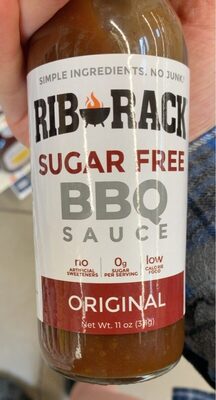
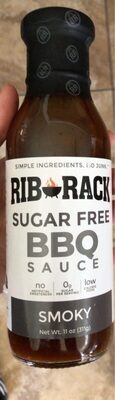
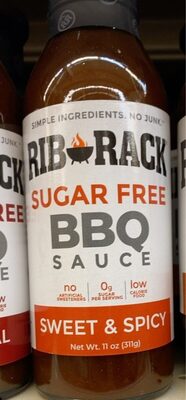
Learn more
Auto-generated content. This description was generated automatically and is pending editorial review. Inaccuracies are possible. Found a mistake? Contact us.