Tenderizer
What is Tenderizer?
Tenderizers are enzymes, typically from plants like papaya or pineapple, or from animal pancreas. These enzymes break down tough muscle fibers in meat, making it more tender and easier to chew. They are often used in meat products or as part of seasoning blends.
Is Tenderizer a major allergen?
Not a major allergen.
What is Tenderizer used for?
Tenderizers are added to meat products to improve texture and palatability.
Is Tenderizer safe?
Enzymes used as food ingredients are generally recognized as safe (GRAS) by the FDA.
Why it's used
Tenderizers are added to meat products to improve texture and palatability. They help break down proteins in muscle tissue, making tougher cuts of meat more tender. They are commonly found in meat tenderizer products, marinades, rubs, and seasoning mixes.
Health notes
Enzymes used as food ingredients are generally recognized as safe (GRAS) by the FDA. When consumed in typical amounts, they are broken down during digestion and are not expected to cause adverse health effects. International bodies like JECFA have evaluated various food enzymes. There are no widespread controversies regarding the use of common food-grade tenderizer enzymes.
Allergen info
Not a major allergen. Some tenderizers are derived from fruits like pineapple or papaya, which are not among the nine major allergens. If derived from animal sources, it's not a major allergen.
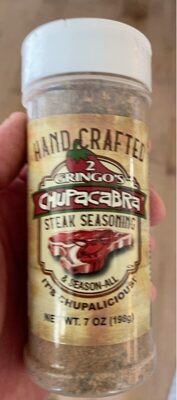
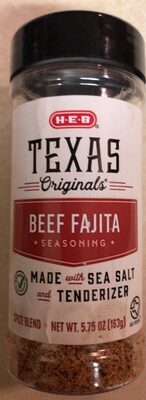
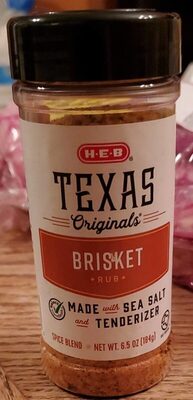
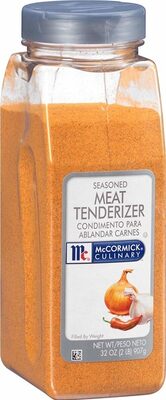
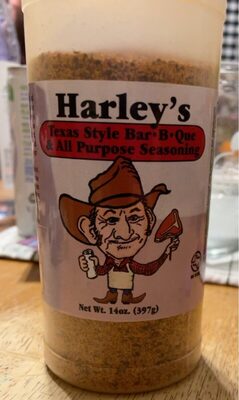
Foods that contain Tenderizer
Compare products →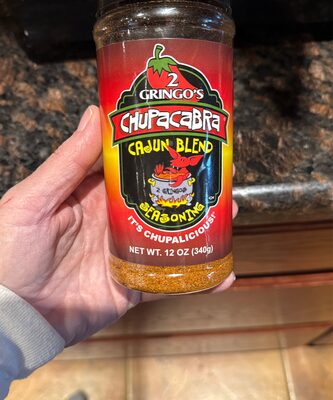
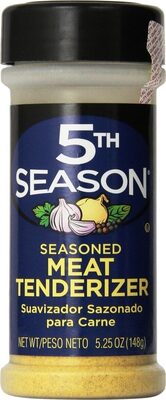
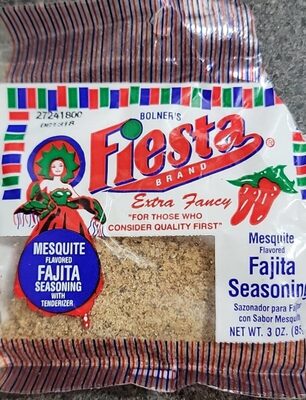
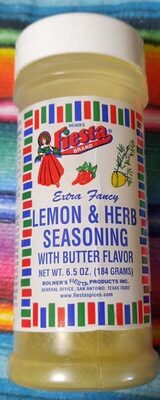

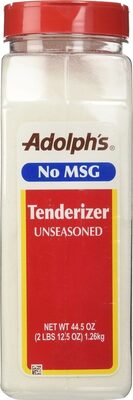
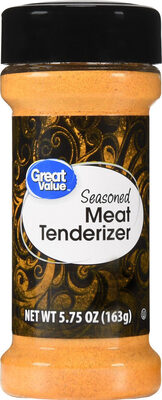
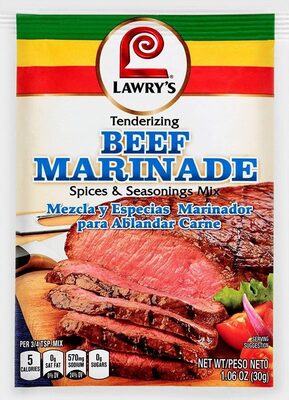
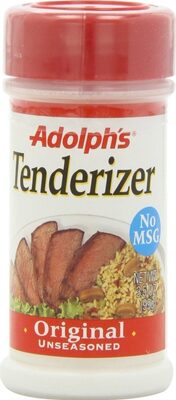
Auto-generated content. This description was generated automatically and is pending editorial review. Inaccuracies are possible. Found a mistake? Contact us.