Turmeric Rhizome
What is Turmeric Rhizome?
Turmeric rhizome is a spice derived from the root of the Curcuma longa plant, native to Southeast Asia. It is typically dried and ground into a powder, or sometimes used fresh. The spice is known for its vibrant yellow-orange color and earthy, slightly bitter flavor.
Is Turmeric Rhizome vegan?
Turmeric Rhizome is not animal-derived. Products that contain it can still include other animal-derived ingredients, so check the full ingredient list.
Is Turmeric Rhizome gluten-free?
It does not contain gluten.
Is Turmeric Rhizome a major allergen?
Not a major allergen.
What is Turmeric Rhizome used for?
Turmeric is primarily used as a coloring agent and flavoring in a wide variety of foods, including curries, mustards, and rice dishes.
Is Turmeric Rhizome safe?
Turmeric is generally recognized as safe (GRAS) by the FDA for use as a food ingredient.
Why it's used
Turmeric is primarily used as a coloring agent and flavoring in a wide variety of foods, including curries, mustards, and rice dishes. It is also found in some beverages and supplements. Its bright color makes it a popular natural alternative to artificial yellow dyes.
Health notes
Turmeric is generally recognized as safe (GRAS) by the FDA for use as a food ingredient. The main active compound, curcumin, has been studied for various health effects, but research is ongoing and evidence is mixed. JECFA has evaluated turmeric and its extracts, establishing specifications for their use. While generally considered safe in amounts typically consumed in food, very high doses of curcumin supplements have been linked to digestive upset in some individuals.
Allergen info
Not a major allergen. Turmeric is a plant-based spice and is not derived from any of the nine major allergens. It does not contain gluten.
Foods that contain Turmeric Rhizome
Compare products →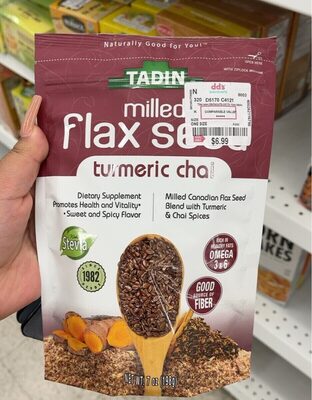 Tadin Herb & Tea Co.
Turmeric Chai Milled Flax Seed, Turmeric Chai
500kcal
33.3Protein
33.3Fat
25Carbs
Roxy Trading Inc.
Tranquil Turmeric Adaptogenic Herbal Chews, Tranquil Turmeric
375kcal
0Protein
0Fat
100Carbs
Nowco International, Inc.
Ginger, Turmeric, Honey, Shot, Ginger, Turmeric, Honey
59kcal
0Protein
0Fat
15.2Carbs
Tadin Herb & Tea Co.
Turmeric Chai Milled Flax Seed, Turmeric Chai
500kcal
33.3Protein
33.3Fat
25Carbs
Roxy Trading Inc.
Tranquil Turmeric Adaptogenic Herbal Chews, Tranquil Turmeric
375kcal
0Protein
0Fat
100Carbs
Nowco International, Inc.
Ginger, Turmeric, Honey, Shot, Ginger, Turmeric, Honey
59kcal
0Protein
0Fat
15.2Carbs
Learn more
Auto-generated content. This description was generated automatically and is pending editorial review. Inaccuracies are possible. Found a mistake? Contact us.