Ube Puree
What is Ube Puree?
Ube puree is a vibrant purple paste made from the ube, a type of yam native to the Philippines. The yams are typically boiled or steamed until tender, then mashed or pureed to create a smooth consistency. It has a naturally sweet, vanilla-like flavor and a starchy texture.
Is Ube Puree vegan?
Ube Puree is not animal-derived. Products that contain it can still include other animal-derived ingredients, so check the full ingredient list.
Is Ube Puree gluten-free?
Ube is not one of the 9 major allergens recognized by the FDA, nor does it contain gluten.
What is Ube Puree used for?
Ube puree is primarily used to impart its distinctive purple color and unique flavor to a variety of desserts and baked goods.
Is Ube Puree safe?
Ube is a natural food ingredient and is generally recognized as safe (GRAS) by the FDA for use in food.
Why it's used
Ube puree is primarily used to impart its distinctive purple color and unique flavor to a variety of desserts and baked goods. It's a popular ingredient in ice cream, cakes, cookies, pastries, and breads, often adding a subtle sweetness and creamy texture.
Health notes
Ube is a natural food ingredient and is generally recognized as safe (GRAS) by the FDA for use in food. It is a source of carbohydrates, fiber, and some vitamins and minerals. Regulatory bodies like JECFA and EFSA have not specifically evaluated ube puree as a food additive, as it is considered a whole food ingredient. There are no widespread health controversies associated with its typical consumption.
Allergen info
Ube is not one of the 9 major allergens recognized by the FDA, nor does it contain gluten. Not a major allergen.
Foods that contain Ube Puree
Compare products →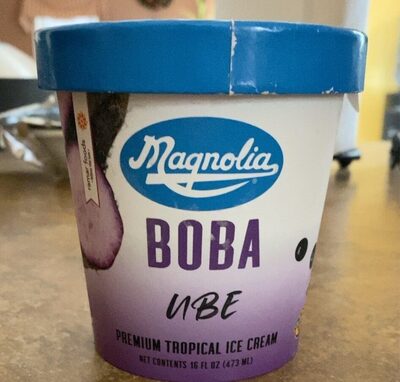 Ramar International Corp.
Boba Premium Tropical Ice Cream, Boba
High in saturated fat — 50% DV per serving
High in added sugars — 36% DV per serving
236kcal
3.1Protein
13.4Fat
26.0Carbs
Ramar International Corp.
Boba Premium Tropical Ice Cream, Boba
High in saturated fat — 50% DV per serving
High in added sugars — 36% DV per serving
236kcal
3.1Protein
13.4Fat
26.0Carbs
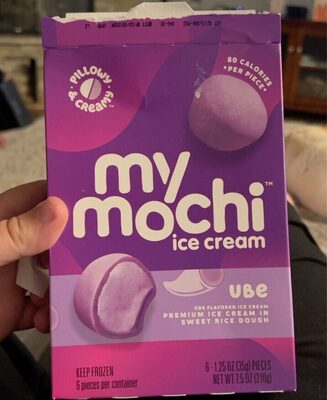 The Mochi Ice Cream Company
Ube Flavored Premium Ice Cream In Sweet Rice Dough, Ube
High in saturated fat — 40% DV per serving
High in added sugars — 122% DV per serving
238kcal
2.9Protein
6.2Fat
42.9Carbs
Ramar International Corp.
Ube Queso Sweet Purple Yam With Cheese Premium Tropical Icecream,, Ube Queso
High in saturated fat — 40% DV per serving
High in added sugars — 22% DV per serving
237kcal
3.2Protein
12.9Fat
24.7Carbs
The Mochi Ice Cream Company
Ube Flavored Premium Ice Cream In Sweet Rice Dough, Ube
High in saturated fat — 40% DV per serving
High in added sugars — 122% DV per serving
238kcal
2.9Protein
6.2Fat
42.9Carbs
Ramar International Corp.
Ube Queso Sweet Purple Yam With Cheese Premium Tropical Icecream,, Ube Queso
High in saturated fat — 40% DV per serving
High in added sugars — 22% DV per serving
237kcal
3.2Protein
12.9Fat
24.7Carbs
Auto-generated content. This description was generated automatically and is pending editorial review. Inaccuracies are possible. Found a mistake? Contact us.