Vegan Probiotic Cultures
Auto-generated content. This description was generated automatically and is pending editorial review. Inaccuracies are possible. Found a mistake? Contact us.
What it is
Vegan probiotic cultures are live microorganisms, often bacteria or yeasts, that are beneficial for health when consumed in adequate amounts. They are typically derived from plant-based sources like grains, legumes, or fruits and are grown in a controlled environment. These cultures are added to foods to enhance their probiotic content.
Why it's used
Manufacturers add vegan probiotic cultures to foods to boost their nutritional profile and potentially offer health benefits. They are commonly found in dairy-free yogurt alternatives, fermented beverages, cereals, and plant-based snack bars. Their primary function is to introduce beneficial live microbes into the diet.
Health notes
Vegan probiotic cultures are generally recognized as safe (GRAS) by the FDA for use in food. While specific strains may have different effects, probiotics are often associated with supporting gut health. International bodies like JECFA and EFSA have evaluated probiotics, but specific health claims require careful consideration of the strain and dosage. Research into the benefits of specific probiotic strains is ongoing, and effects can vary between individuals.
Allergen info
Vegan probiotic cultures are not derived from any of the nine FDA major allergens. They are also typically gluten-free, though it's always wise to check product labels for potential cross-contamination if gluten is a concern.
Products containing Vegan Probiotic Cultures
Compare products →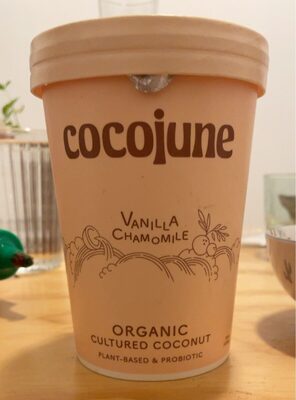 New Nordic Dairy Inc
Vanilla Chamomile Organic Cultured Coconut, Vanilla Chamomile
High in saturated fat — 75% DV per serving
167kcal
0.9Protein
14.9Fat
—Carbs
New Nordic Dairy Inc
Vanilla Chamomile Organic Cultured Coconut, Vanilla Chamomile
High in saturated fat — 75% DV per serving
167kcal
0.9Protein
14.9Fat
—Carbs
 New Nordic Dairy Inc
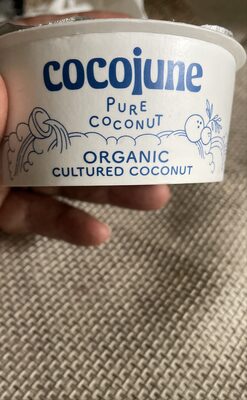
Pure Coconut Organic Cultured Coconut, Pure Coconut
High in saturated fat — 75% DV per serving
167kcal
1.8Protein
15.8Fat
5.3Carbs
New Nordic Dairy Inc
Pure Coconut Organic Cultured Coconut, Pure Coconut
High in saturated fat — 75% DV per serving
167kcal
1.8Protein
15.8Fat
5.3Carbs
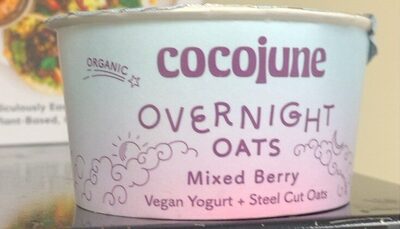 Mixed Berry Overnight Oats
High in saturated fat — 35% DV per serving
100kcal
2Protein
5.3Fat
10.7Carbs
Mixed Berry Overnight Oats
High in saturated fat — 35% DV per serving
100kcal
2Protein
5.3Fat
10.7Carbs
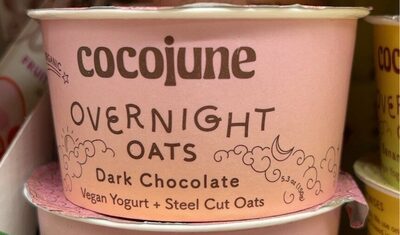 Organic Dark Chocolate Overnight Oats
High in saturated fat — 35% DV per serving
120kcal
2.7Protein
6Fat
14Carbs
Organic Dark Chocolate Overnight Oats
High in saturated fat — 35% DV per serving
120kcal
2.7Protein
6Fat
14Carbs
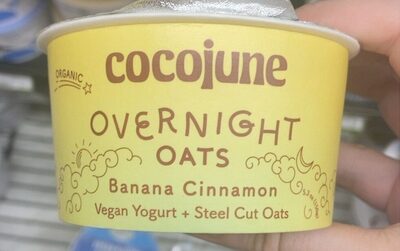 New Nordic Dairy Inc
Banana Cinnamon Overnight Oats, Banana; Cinnamon
High in saturated fat — 35% DV per serving
100kcal
2Protein
5.3Fat
10.7Carbs
New Nordic Dairy Inc
Banana Cinnamon Overnight Oats, Banana; Cinnamon
High in saturated fat — 35% DV per serving
100kcal
2Protein
5.3Fat
10.7Carbs
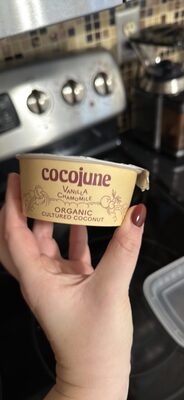 New Nordic Dairy Inc
Vanilla Chamomile Organic Cultured Coconut, Vanilla Chamomile
High in saturated fat — 75% DV per serving
167kcal
1.8Protein
14.9Fat
7.9Carbs
New Nordic Dairy Inc
Vanilla Chamomile Organic Cultured Coconut, Vanilla Chamomile
High in saturated fat — 75% DV per serving
167kcal
1.8Protein
14.9Fat
7.9Carbs
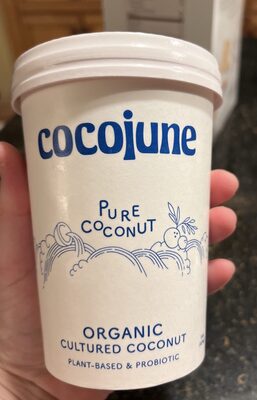 New Nordic Dairy Inc
Pure Coconut Organic Cultured Yogurt, Pure Coconut
High in saturated fat — 75% DV per serving
167kcal
1.8Protein
15.8Fat
5.3Carbs
New Nordic Dairy Inc
Pure Coconut Organic Cultured Yogurt, Pure Coconut
High in saturated fat — 75% DV per serving
167kcal
1.8Protein
15.8Fat
5.3Carbs
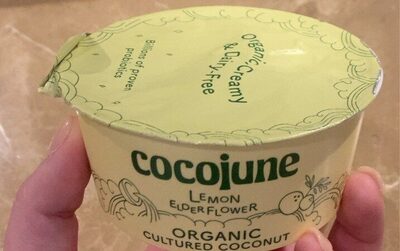 Lemon Elder Flower Organic Cultured Coconut
High in saturated fat — 75% DV per serving
167kcal
0.9Protein
14.0Fat
8.8Carbs
Lemon Elder Flower Organic Cultured Coconut
High in saturated fat — 75% DV per serving
167kcal
0.9Protein
14.0Fat
8.8Carbs