Ventresca
What is Ventresca?
Ventresca is the belly cut of tuna, prized for its rich flavor and tender texture. It is considered a delicacy, often packed in olive oil to preserve its quality and enhance its taste. This cut comes from the fattiest part of the tuna, making it exceptionally moist.
Is Ventresca vegan?
No. Ventresca is animal-derived, so it is not vegan.
Is Ventresca gluten-free?
It does not contain gluten.
Is Ventresca a major allergen?
Ventresca is derived from fish, which is one of the 9 FDA major allergens.
What is Ventresca used for?
Ventresca is typically used as a premium ingredient in canned tuna products, offering a more luxurious experience than standard tuna.
Is Ventresca safe?
Ventresca is a source of protein and omega-3 fatty acids.
Why it's used
Ventresca is typically used as a premium ingredient in canned tuna products, offering a more luxurious experience than standard tuna. It is often enjoyed on its own, perhaps with crackers or bread, or incorporated into dishes like salads and pasta where its rich flavor can shine.
Health notes
Ventresca is a source of protein and omega-3 fatty acids. As a fish product, it contains naturally occurring nutrients. Regulatory bodies like the FDA do not specifically regulate ventresca as an additive. Like other fish, it can be a source of mercury, and pregnant women and young children are advised to limit consumption of certain types of fish.
Allergen info
Ventresca is derived from fish, which is one of the 9 FDA major allergens. It does not contain gluten.
Foods that contain Ventresca
Compare products →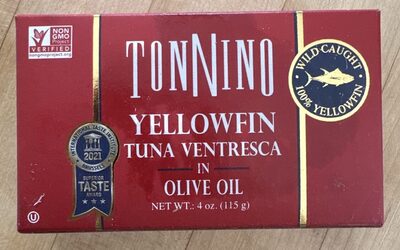 Adams Wholesale Supply, Inc.
Tuna Ventresca In Olive Oil
161kcal
26.8Protein
5.4Fat
1.8Carbs
Adams Wholesale Supply, Inc.
Tuna Ventresca In Olive Oil
196kcal
23.2Protein
10.7Fat
3.6Carbs
Adams Wholesale Supply, Inc.
Tuna Ventresca In Olive Oil
High in sodium — 26% DV per serving
235kcal
24.7Protein
14.1Fat
0Carbs
Adams Wholesale Supply, Inc.
Tuna Ventresca In Olive Oil
161kcal
26.8Protein
5.4Fat
1.8Carbs
Adams Wholesale Supply, Inc.
Tuna Ventresca In Olive Oil
196kcal
23.2Protein
10.7Fat
3.6Carbs
Adams Wholesale Supply, Inc.
Tuna Ventresca In Olive Oil
High in sodium — 26% DV per serving
235kcal
24.7Protein
14.1Fat
0Carbs
Auto-generated content. This description was generated automatically and is pending editorial review. Inaccuracies are possible. Found a mistake? Contact us.