Non-hydrogenated
What is Non-hydrogenated?
Non-hydrogenated describes fats and oils that have not undergone a chemical process called hydrogenation. This means their natural structure, particularly their fatty acid composition, has been preserved. This term is used to distinguish them from hydrogenated fats, which have been altered to become more solid and stable.
Is Non-hydrogenated a major allergen?
Non-hydrogenated is a characteristic of fats and oils, not an ingredient itself, and therefore is not a major allergen.
What is Non-hydrogenated used for?
Manufacturers use non-hydrogenated fats and oils in foods to provide texture, flavor, and to aid in cooking or baking.
Is Non-hydrogenated safe?
Non-hydrogenated refers to fats and oils that do not contain artificial trans fats.
Why it's used
Manufacturers use non-hydrogenated fats and oils in foods to provide texture, flavor, and to aid in cooking or baking. They are chosen as an alternative to partially hydrogenated oils to avoid the formation of artificial trans fats. These fats are found in a wide variety of foods, including baked goods, snacks, and fried items.
Health notes
Non-hydrogenated refers to fats and oils that do not contain artificial trans fats. The US Food and Drug Administration (FDA) determined that partially hydrogenated oils (PHOs), which are the primary source of artificial trans fats, are no longer Generally Recognized As Safe (GRAS) for use in food, effective 2018. This action significantly reduced artificial trans fats in the food supply. Scientific evidence indicates that consuming artificial trans fats can increase the risk of heart disease. Non-hydrogenated fats are generally considered a healthier choice compared to PHOs because they do not contribute artificial trans fats to the diet.
Allergen info
Non-hydrogenated is a characteristic of fats and oils, not an ingredient itself, and therefore is not a major allergen. The allergen status would depend on the specific fat or oil used (e.g., soy oil, peanut oil).
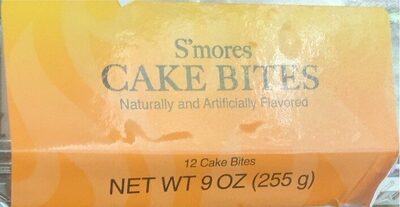
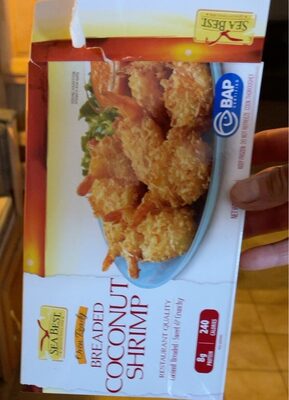
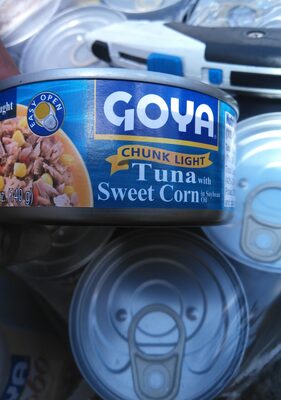
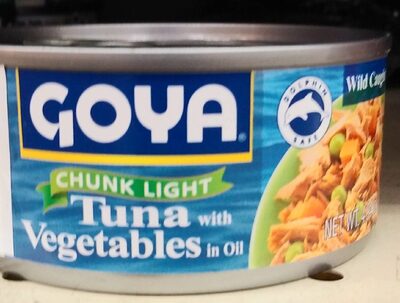
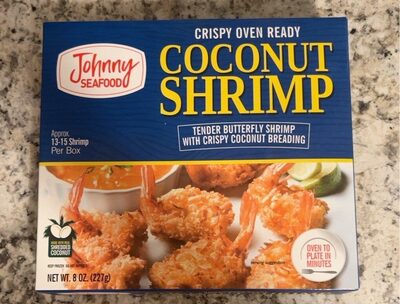
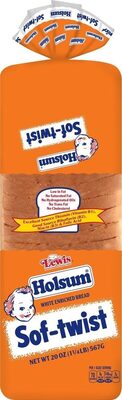
Foods that contain Non-hydrogenated
Compare products →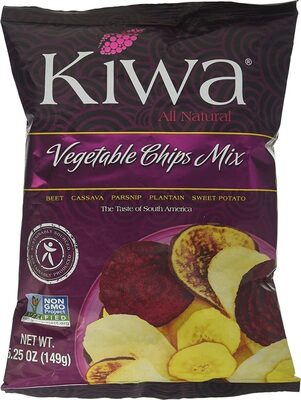
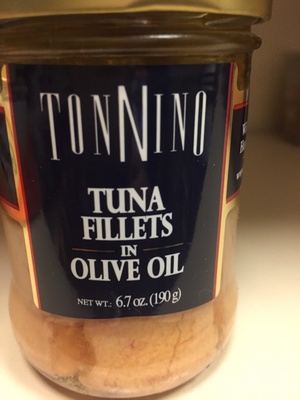
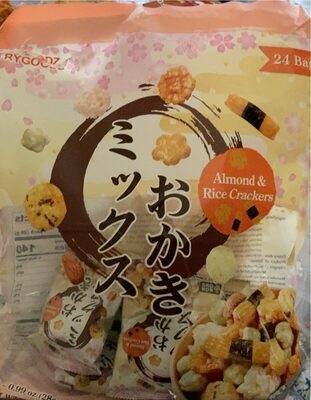
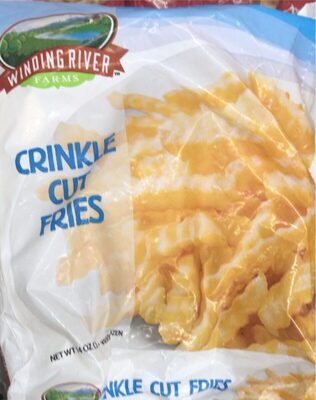
Learn more
Auto-generated content. This description was generated automatically and is pending editorial review. Inaccuracies are possible. Found a mistake? Contact us.