White Tea Extract
Auto-generated content. This description was generated automatically and is pending editorial review. Inaccuracies are possible. Found a mistake? Contact us.
What it is
White tea extract is made from the leaves of the Camellia sinensis plant, the same plant that produces green, black, and oolong teas. It is typically produced by extracting beneficial compounds from dried white tea leaves using water or other solvents. The process aims to concentrate the antioxidants and other naturally occurring substances found in the tea.
Why it's used
Manufacturers add white tea extract for its antioxidant properties and subtle flavor. It is often used in beverages like iced teas, bottled teas, and fruit juices, as well as in some health-focused food products. Its inclusion can enhance the perceived health benefits and add a mild, refreshing taste.
Health notes
White tea extract is generally recognized as safe (GRAS) by the FDA when used as a food ingredient. It is rich in polyphenols, particularly catechins like EGCG, which are antioxidants. While these compounds are associated with potential health benefits in scientific literature, such as supporting cardiovascular health, evidence from human studies is still developing. JECFA has evaluated tea extracts, and EFSA has also reviewed polyphenols. At typical consumption levels found in food, it is not associated with adverse health effects.
Allergen info
White tea extract is not derived from any of the nine FDA major allergens. It does not contain gluten.
Products containing White Tea Extract
Compare products →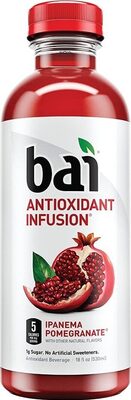 BAI
Antioxidant Beverage
2kcal
0Protein
0Fat
2.5Carbs
BAI
Antioxidant Beverage
2kcal
0Protein
0Fat
2.5Carbs
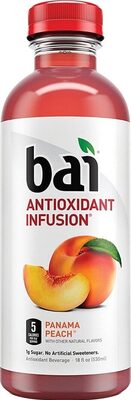 BAI
Antioxidant Beverage
2kcal
0Protein
0Fat
2.5Carbs
BAI
Antioxidant Infusion Costa Rica Clementine
2kcal
0Protein
0Fat
2.5Carbs
BAI
Antioxidant Beverage
2kcal
0Protein
0Fat
2.5Carbs
BAI
Antioxidant Infusion Costa Rica Clementine
2kcal
0Protein
0Fat
2.5Carbs
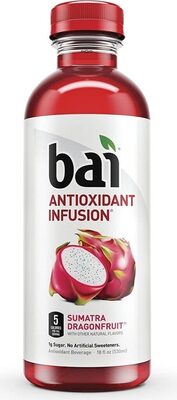 BAI
Antioxidant Beverage
2kcal
0Protein
0Fat
2.5Carbs
BAI
Antioxidant Beverage
2kcal
0Protein
0Fat
2.5Carbs
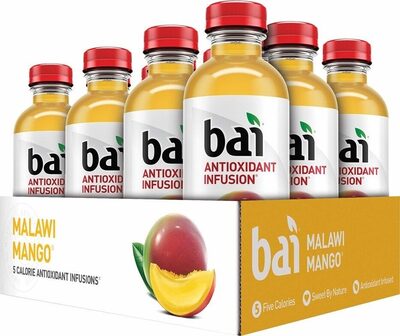 BAI
Costa Rica Clementine Antioxidant Beverage, Costa Rica Clementine
2kcal
0Protein
0Fat
2.5Carbs
BAI
Costa Rica Clementine Antioxidant Beverage, Costa Rica Clementine
2kcal
0Protein
0Fat
2.5Carbs
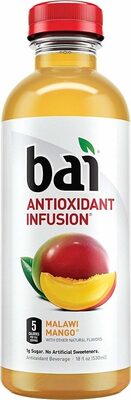 BAI
Malawi Mango Antioxidant Beverage, Malawi Mango
2kcal
0Protein
0Fat
2.5Carbs
BAI
Malawi Mango Antioxidant Beverage, Malawi Mango
2kcal
0Protein
0Fat
2.5Carbs
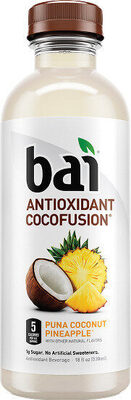 Bai Brands LLC
Antioxidant Beverage, Puna Coconut Pineapple
2kcal
0Protein
0Fat
2.5Carbs
Bai Brands LLC
Antioxidant Beverage Flavored With Other Natural Flavors, Kula Watermelon
2kcal
0Protein
0Fat
2.5Carbs
Bai Brands LLC
Antioxidant Beverage, Puna Coconut Pineapple
2kcal
0Protein
0Fat
2.5Carbs
Bai Brands LLC
Antioxidant Beverage Flavored With Other Natural Flavors, Kula Watermelon
2kcal
0Protein
0Fat
2.5Carbs
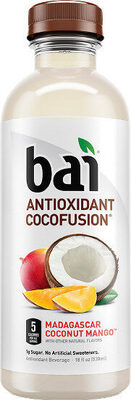 Bai Brands LLC
Antioxidant Beverage, Madagascar Coconut Mango
2kcal
0Protein
0Fat
2.5Carbs
Bai Brands LLC
Antioxidant Beverage, Madagascar Coconut Mango
2kcal
0Protein
0Fat
2.5Carbs
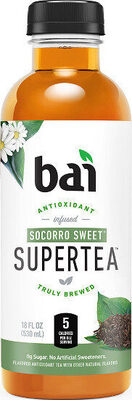 Bai Brands LLC
Antioxidant Super Tea, Socorro Sweet
2kcal
0Protein
0Fat
2.1Carbs
Bai Brands LLC
Antioxidant Super Tea, Socorro Sweet
2kcal
0Protein
0Fat
2.1Carbs