Malic Acid
What is Malic Acid?
Malic acid is a naturally occurring organic acid found in many fruits, particularly apples, grapes, and cherries, contributing to their tart taste. For use in food, it can be produced through fermentation processes or by chemical synthesis. It is a white, crystalline powder that is highly soluble in water.
Is Malic Acid vegan?
Malic Acid is not animal-derived. Products that contain it can still include other animal-derived ingredients, so check the full ingredient list.
Is Malic Acid a major allergen?
Not a major allergen.
What is Malic Acid used for?
Manufacturers add malic acid to foods and beverages primarily to provide a tart or sour taste, enhance existing flavors, and act as an acidity regulator.
Is Malic Acid safe?
The U.S. Food and Drug Administration (FDA) considers malic acid to be Generally Recognized As Safe (GRAS) for its intended uses in food.
Why it's used
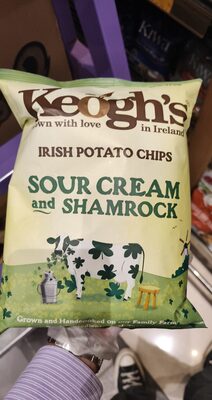
Manufacturers add malic acid to foods and beverages primarily to provide a tart or sour taste, enhance existing flavors, and act as an acidity regulator. It is commonly found in candies, soft drinks, fruit-flavored products, and snacks like potato chips. It also helps to preserve foods by lowering their pH.
Health notes
The U.S. Food and Drug Administration (FDA) considers malic acid to be Generally Recognized As Safe (GRAS) for its intended uses in food. Both the Joint FAO/WHO Expert Committee on Food Additives (JECFA) and the European Food Safety Authority (EFSA) have evaluated malic acid and concluded it is safe for use as a food additive. At typical intake levels, malic acid is well-tolerated and is a normal part of human metabolism.
Allergen info
Not a major allergen.
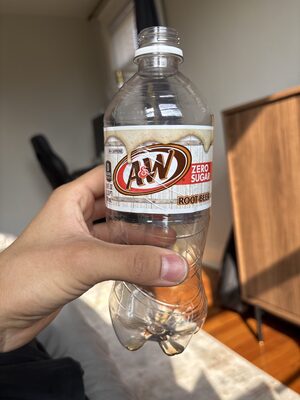
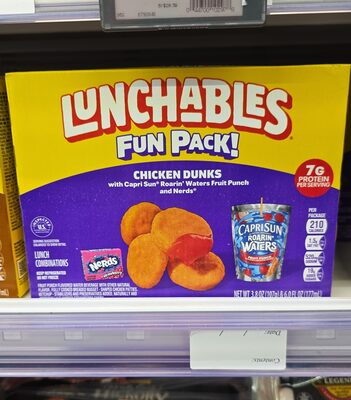
Foods that contain Malic Acid
Compare products →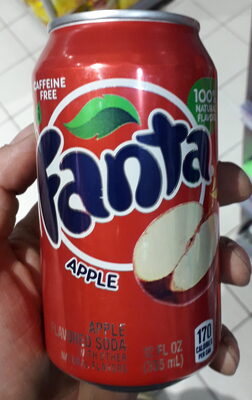
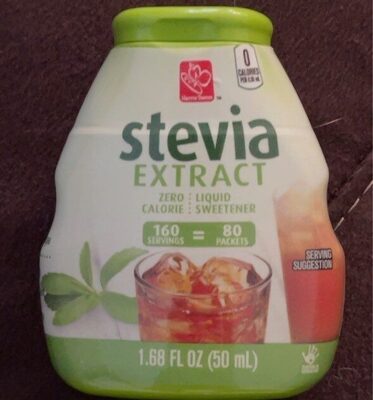
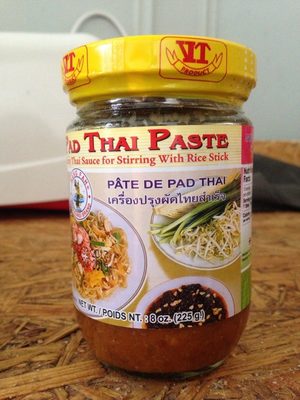 Nang Fah (Tue Kung) Brand
, Pad Thai Paste
267kcal
6.7Protein
10Fat
40Carbs
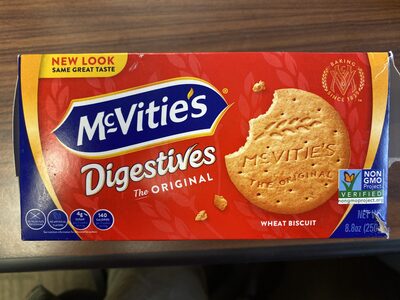

Auto-generated content. This description was generated automatically and is pending editorial review. Inaccuracies are possible. Found a mistake? Contact us.