Wine Sauce
What is Wine Sauce?
Wine sauce is a savory sauce made with wine as a primary ingredient, often combined with other liquids like broth or cream, and seasonings. The type of wine used (e.g., red, white, sherry) significantly influences the sauce's flavor profile and color. It is typically prepared by simmering wine with aromatics such as onions or garlic, and then thickening it.
Is Wine Sauce gluten-free?
Gluten may be present if wheat-based thickeners are used.
Is Wine Sauce a major allergen?
Wine sauce is not a major allergen.
What is Wine Sauce used for?
Manufacturers use wine sauce to add a rich, complex flavor to dishes, particularly in savory applications.
Is Wine Sauce safe?
Wine sauce is generally considered safe for consumption.
Why it's used
Manufacturers use wine sauce to add a rich, complex flavor to dishes, particularly in savory applications. It is commonly found in seafood preparations, meat dishes, and pasta sauces, as well as in some frozen meals and marinades. The wine contributes acidity, depth, and a distinct aroma.
Health notes
Wine sauce is generally considered safe for consumption. The FDA does not specifically regulate wine sauce as a distinct food additive, but its components, like wine and seasonings, are subject to general food safety regulations. While wine contains alcohol, the amount remaining after cooking in a sauce is typically very low. Concerns about alcohol consumption are generally related to beverages, not the trace amounts in cooked foods. Regulatory bodies like the WHO and EFSA have evaluated alcohol and its byproducts, but not specifically wine sauce.
Allergen info
Wine sauce is not a major allergen. However, if cream or dairy is used in its preparation, it may contain milk. Gluten may be present if wheat-based thickeners are used.
Foods that contain Wine Sauce
Compare products →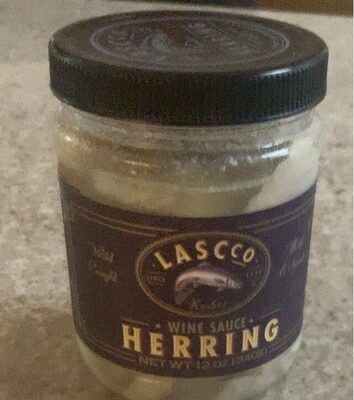 Los Angeles Smoking & Curing
Herring Wine Sauce, Herring
161kcal
8.9Protein
7.1Fat
16.1Carbs
Los Angeles Smoking & Curing
Wine Sauce Herring
161kcal
8.9Protein
7.1Fat
16.1Carbs
Marie Callender's Retail Foods
Roasted Turkey & Sweet Potato Stuffing Turkey Tenderloin In A Chardonnay Wine Sauce With Sweet Potato And Cranberry Stuffing And Seasoned Bean Duo Delights, Roasted Turkey & Sweet Potato Stuffing
High in sodium — 40% DV per serving
90kcal
7.3Protein
1.6Fat
11.4Carbs
Los Angeles Smoking & Curing
Herring Wine Sauce, Herring
161kcal
8.9Protein
7.1Fat
16.1Carbs
Los Angeles Smoking & Curing
Wine Sauce Herring
161kcal
8.9Protein
7.1Fat
16.1Carbs
Marie Callender's Retail Foods
Roasted Turkey & Sweet Potato Stuffing Turkey Tenderloin In A Chardonnay Wine Sauce With Sweet Potato And Cranberry Stuffing And Seasoned Bean Duo Delights, Roasted Turkey & Sweet Potato Stuffing
High in sodium — 40% DV per serving
90kcal
7.3Protein
1.6Fat
11.4Carbs
Learn more
Auto-generated content. This description was generated automatically and is pending editorial review. Inaccuracies are possible. Found a mistake? Contact us.