Yellow #5 And Yellow #6 Lakes And Red #3
What is Yellow #5 And Yellow #6 Lakes And Red #3?
These are synthetic color additives, also known as artificial colors, used to give foods a vibrant appearance. Lakes are insoluble forms of these dyes, made by combining the dye with a metallic salt, often aluminum hydroxide, which helps them color foods with low moisture or high fat content.
Is Yellow #5 And Yellow #6 Lakes And Red #3 vegan?
Yellow #5 And Yellow #6 Lakes And Red #3 is not animal-derived. Products that contain it can still include other animal-derived ingredients, so check the full ingredient list.
Is Yellow #5 And Yellow #6 Lakes And Red #3 a major allergen?
Not a major allergen.
What is Yellow #5 And Yellow #6 Lakes And Red #3 used for?
Manufacturers add these colors to make foods more appealing or to restore color lost during processing.
Is Yellow #5 And Yellow #6 Lakes And Red #3 safe?
These are FDA-approved color additives, but their regulatory status is changing.
Why it's used
Manufacturers add these colors to make foods more appealing or to restore color lost during processing. They are commonly found in candies, chocolates, baked goods, beverages, and snack foods.
Health notes
These are FDA-approved color additives, but their regulatory status is changing. The FDA revoked Red #3 for use in food in January 2025, with manufacturers having until January 2027 to remove it from food products. This action was based on studies showing it caused cancer in male rats, though the FDA stated this is not relevant to human risk. California's Food Safety Act (AB 418) also bans Red #3 in food from 2027. In April 2025, the FDA announced a plan to phase out petroleum-based synthetic dyes, which includes Yellow #5 and Yellow #6. JECFA and EFSA have evaluated all three colors and set acceptable daily intakes for Yellow #5, Yellow #6, and Red #3. Some individuals may experience allergic-type reactions to Yellow #5 and Yellow #6. Evidence regarding a link between these synthetic colors and hyperactivity in children is mixed, with some studies suggesting a connection and others not finding consistent evidence.
Allergen info
Not a major allergen.
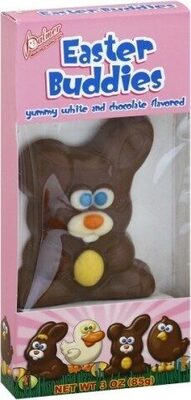
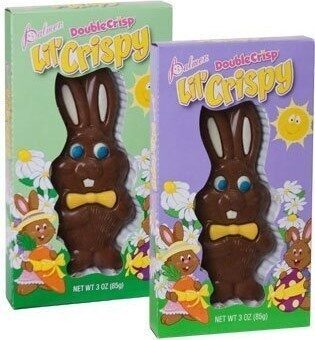
Foods that contain Yellow #5 And Yellow #6 Lakes And Red #3
Compare products →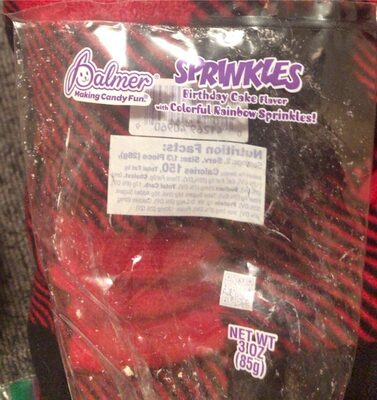

Learn more
Auto-generated content. This description was generated automatically and is pending editorial review. Inaccuracies are possible. Found a mistake? Contact us.