Yellow 5 Sugar
What is Yellow 5 Sugar?
Yellow 5 Sugar is a blend of the synthetic food dye Yellow 5 and common sugar, typically sucrose. Yellow 5, also known as Tartrazine, is a yellow color additive synthesized from petroleum. Sugar is a carbohydrate extracted from plants like sugarcane or sugar beets.
Is Yellow 5 Sugar vegan?
Yellow 5 Sugar is not animal-derived. Products that contain it can still include other animal-derived ingredients, so check the full ingredient list.
Is Yellow 5 Sugar a major allergen?
Not a major allergen.
What is Yellow 5 Sugar used for?
This blend is used by manufacturers to add a vibrant yellow color and sweetness to foods.
Is Yellow 5 Sugar safe?
Yellow 5 is an FDA-approved color additive.
Why it's used
This blend is used by manufacturers to add a vibrant yellow color and sweetness to foods. It is often found in snacks, candies, beverages, and baked goods, such as flavored peanuts and popcorn, where it contributes to both visual appeal and taste.
Health notes
Yellow 5 is an FDA-approved color additive. While some studies have suggested a link between Yellow 5 and hyperactivity in some children, the evidence is mixed, and FDA requires it to be listed on food labels. JECFA and EFSA have both evaluated Yellow 5 and set an acceptable daily intake. FDA announced in April 2025 a plan to phase out petroleum-based synthetic dyes, including Yellow 5. Sugar is Generally Recognized As Safe (GRAS) by the FDA. The 2025-2030 Dietary Guidelines for Americans recommend no amount of added sugars, and at most 10 grams per meal. Excessive intake of added sugars is linked to various health concerns.
Allergen info
Not a major allergen.
Foods that contain Yellow 5 Sugar
Compare products →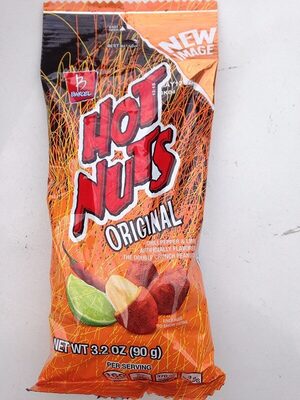 GS1 Mexico
Flare Chili Pepper & Lime Flavored Double Crunch Peanuts, Flare
529kcal
14.7Protein
29.4Fat
50Carbs
GS1 Mexico
Flare Chili Pepper & Lime Flavored Double Crunch Peanuts, Flare
520kcal
16Protein
30Fat
48Carbs
Bimbo Bakeries USA, Inc.
Flare Chili Pepper & Lime Flavored Double Crunch Peanuts, Flare
529kcal
14.7Protein
29.4Fat
50Carbs
GS1 Mexico
Flare Chili Pepper & Lime Flavored Double Crunch Peanuts, Flare
520kcal
16Protein
30Fat
48Carbs
GS1 Mexico
Flare Chili Pepper & Lime Flavored Double Crunch Peanuts, Flare
529kcal
14.7Protein
29.4Fat
50Carbs
GS1 Mexico
Flare Chili Pepper & Lime Flavored Double Crunch Peanuts, Flare
520kcal
16Protein
30Fat
48Carbs
Bimbo Bakeries USA, Inc.
Flare Chili Pepper & Lime Flavored Double Crunch Peanuts, Flare
529kcal
14.7Protein
29.4Fat
50Carbs
GS1 Mexico
Flare Chili Pepper & Lime Flavored Double Crunch Peanuts, Flare
520kcal
16Protein
30Fat
48Carbs
Learn more
Auto-generated content. This description was generated automatically and is pending editorial review. Inaccuracies are possible. Found a mistake? Contact us.