Yellow #6 And Yellow #5 Lakes And Red #3
What is Yellow #6 And Yellow #5 Lakes And Red #3?
These ingredients are synthetic color additives. Yellow #5 Lake and Yellow #6 Lake are pigments made by combining the synthetic dyes Tartrazine (Yellow #5) and Sunset Yellow FCF (Yellow #6) with an insoluble base, usually aluminum hydroxide. Red #3 (Erythrosine) is a synthetic dye that provides a cherry-red color.
Is Yellow #6 And Yellow #5 Lakes And Red #3 vegan?
Yellow #6 And Yellow #5 Lakes And Red #3 is not animal-derived. Products that contain it can still include other animal-derived ingredients, so check the full ingredient list.
Is Yellow #6 And Yellow #5 Lakes And Red #3 a major allergen?
These ingredients are not major allergens.
What is Yellow #6 And Yellow #5 Lakes And Red #3 used for?
These color additives are used to impart yellow and red hues to a variety of processed foods.
Is Yellow #6 And Yellow #5 Lakes And Red #3 safe?
Yellow #5 and Yellow #6 are currently approved by the FDA for use in food.
Why it's used
These color additives are used to impart yellow and red hues to a variety of processed foods. They are commonly found in candies, baked goods, beverages, and dairy products to enhance visual appeal and provide consistent coloring.
Health notes
Yellow #5 and Yellow #6 are currently approved by the FDA for use in food. However, in April 2025, the FDA announced a plan to phase out petroleum-based synthetic dyes, which includes Yellow #5 and Yellow #6. JECFA has evaluated both Yellow #5 and Yellow #6 and set acceptable daily intakes. Some studies have suggested a link between these dyes and hyperactivity in children, though evidence is mixed, and EFSA concluded in 2009 that available data do not establish a causal link. Yellow #5 is also known to cause allergic-type reactions in a small percentage of sensitive individuals. Red #3 was revoked by the FDA for food use in January 2025, with manufacturers having until January 2027 to comply. This revocation was due to Red #3 causing cancer in male rats, under the Delaney Clause, though the FDA stated this is not relevant to human risk. JECFA has evaluated Red #3 and set an acceptable daily intake. California's Food Safety Act bans Red #3 in food from 2027.
Allergen info
These ingredients are not major allergens. However, Yellow #5 (Tartrazine) can cause allergic-type reactions such as hives or asthma in a small percentage of sensitive individuals.
Foods that contain Yellow #6 And Yellow #5 Lakes And Red #3
Compare products →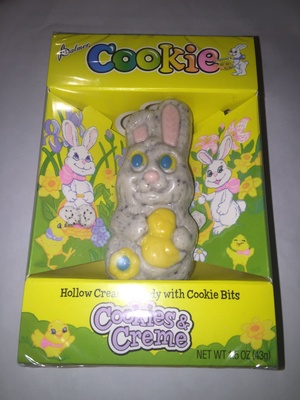

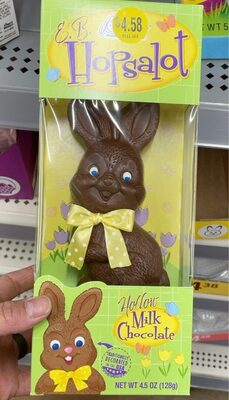

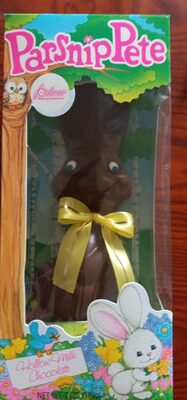
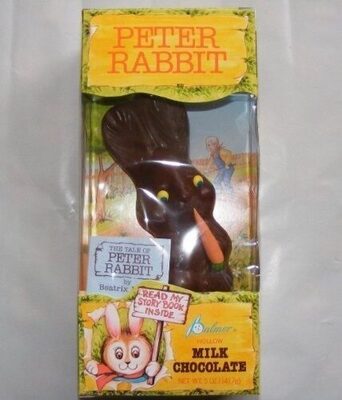
Learn more
Auto-generated content. This description was generated automatically and is pending editorial review. Inaccuracies are possible. Found a mistake? Contact us.