0.1% From Concentrate
What is 0.1% From Concentrate?
This refers to juice that has had water removed, typically for easier storage and transport, and then had water added back to return it to its original consistency. It is commonly derived from fruits like apples, grapes, or oranges.
Is 0.1% From Concentrate vegan?
0.1% From Concentrate is not animal-derived. Products that contain it can still include other animal-derived ingredients, so check the full ingredient list.
Is 0.1% From Concentrate a major allergen?
Not a major allergen.
What is 0.1% From Concentrate used for?
Manufacturers use it to provide natural fruit flavor and color in beverages like iced teas, lemonades, and fruit punches.
Is 0.1% From Concentrate safe?
Juice concentrates are generally recognized as safe (GRAS) by the FDA when used as a flavoring or coloring agent.
Why it's used
Manufacturers use it to provide natural fruit flavor and color in beverages like iced teas, lemonades, and fruit punches. It can also be found in some baked goods and candies to add a concentrated fruit taste.
Health notes
Juice concentrates are generally recognized as safe (GRAS) by the FDA when used as a flavoring or coloring agent. They are a source of natural sugars and can contribute to overall sugar intake. Regulatory bodies like JECFA have evaluated various fruit-derived ingredients, but specific evaluations for 'juice concentrate' as a standalone ingredient are not typically highlighted.
Allergen info
Not a major allergen. However, if the concentrate is derived from fruits like peaches or apples, individuals with specific fruit allergies should exercise caution.
Foods that contain 0.1% From Concentrate
Compare products →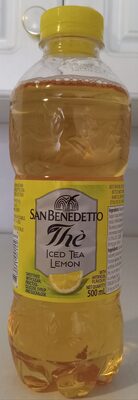
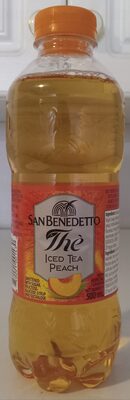
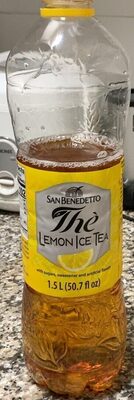
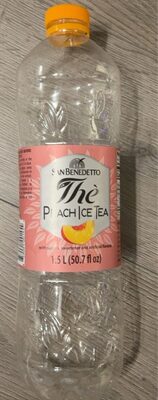
Auto-generated content. This description was generated automatically and is pending editorial review. Inaccuracies are possible. Found a mistake? Contact us.