100% Organic Dates
What is 100% Organic Dates?
Dates are the sweet fruit of the date palm tree, native to the Middle East. They are typically dried for preservation and concentrated sweetness. Dates can be processed into syrups, pastes, or granulated sugars.
Is 100% Organic Dates vegan?
100% Organic Dates is not animal-derived. Products that contain it can still include other animal-derived ingredients, so check the full ingredient list.
Is 100% Organic Dates gluten-free?
Dates are not a major allergen and do not contain gluten.
What is 100% Organic Dates used for?
Dates and their derivatives are primarily used as natural sweeteners in a variety of foods.
Is 100% Organic Dates safe?
Dates are a source of natural sugars, fiber, and some micronutrients.
Why it's used
Dates and their derivatives are primarily used as natural sweeteners in a variety of foods. They add sweetness, moisture, and a caramel-like flavor. You can find them in baked goods, energy bars, sauces, and as a direct substitute for refined sugars.
Health notes
Dates are a source of natural sugars, fiber, and some micronutrients. The U.S. Food and Drug Administration (FDA) generally recognizes dates as safe (GRAS) when used as a food ingredient. While dates contain natural sugars, they also provide fiber which can moderate blood sugar response compared to refined sugars. No specific regulatory limits are set by international bodies like JECFA or EFSA for dates themselves, as they are considered a whole food.
Allergen info
Dates are not a major allergen and do not contain gluten. They are derived from a fruit.
Foods that contain 100% Organic Dates
Compare products →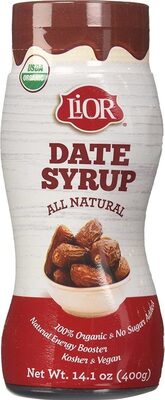
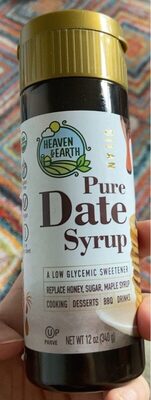
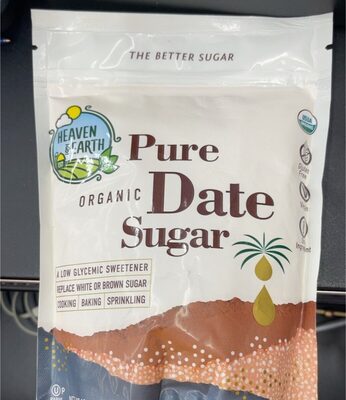
Learn more
Auto-generated content. This description was generated automatically and is pending editorial review. Inaccuracies are possible. Found a mistake? Contact us.