100% Pure Honey
What is 100% Pure Honey?
Honey is a sweet, viscous food substance made by honey bees from the nectar of flowers. Bees collect nectar and store it in their honeycombs, where enzymes and evaporation transform it into honey. It is composed primarily of fructose and glucose, along with water and small amounts of other sugars, vitamins, minerals, and amino acids.
Is 100% Pure Honey vegan?
No. 100% Pure Honey is animal-derived, so it is not vegan.
Is 100% Pure Honey gluten-free?
It does not contain gluten.
Is 100% Pure Honey a major allergen?
Honey is not derived from one of the nine FDA major allergens.
What is 100% Pure Honey used for?
Manufacturers use honey primarily as a sweetener, adding a distinct flavor and moisture to baked goods, cereals, and sauces.
Is 100% Pure Honey safe?
Honey is generally recognized as safe (GRAS) by the FDA for use as a food ingredient.
Why it's used
Manufacturers use honey primarily as a sweetener, adding a distinct flavor and moisture to baked goods, cereals, and sauces. It can also act as a preservative in some products due to its low water content and acidity. Honey is commonly found in granola bars, yogurts, and marinades.
Health notes
Honey is generally recognized as safe (GRAS) by the FDA for use as a food ingredient. It is a natural sweetener and may have some antioxidant properties. The Joint FAO/WHO Expert Committee on Food Additives (JECFA) has evaluated honey, and the European Food Safety Authority (EFSA) has also assessed its safety. While often perceived as healthier than refined sugar, honey is still a source of sugar and calories, and excessive intake should be avoided.
Allergen info
Honey is not derived from one of the nine FDA major allergens. It does not contain gluten.
Foods that contain 100% Pure Honey
Compare products →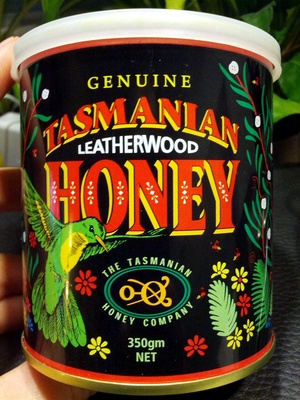
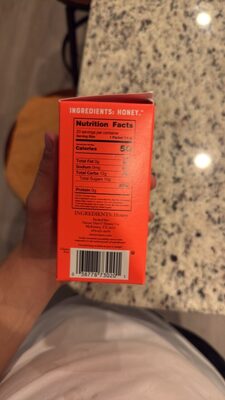
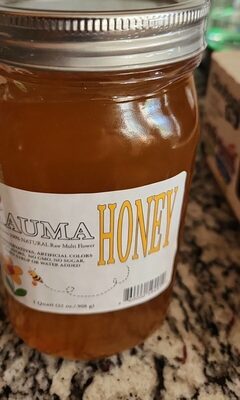
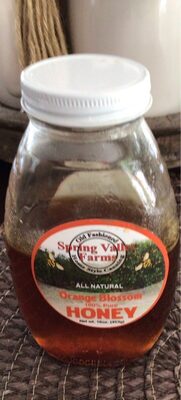
Learn more
Auto-generated content. This description was generated automatically and is pending editorial review. Inaccuracies are possible. Found a mistake? Contact us.