100mg
What is 100mg?
Caffeine is a natural stimulant found in various plants, including coffee beans, tea leaves, and cacao pods. It can also be produced synthetically. It is a bitter substance that affects the central nervous system.
Is 100mg vegan?
100mg is not animal-derived. Products that contain it can still include other animal-derived ingredients, so check the full ingredient list.
Is 100mg gluten-free?
It is also gluten-free.
Is 100mg a major allergen?
Caffeine is not derived from any of the 9 major FDA allergens.
What is 100mg used for?
Manufacturers add caffeine to foods and beverages primarily for its stimulating effects, which can help increase alertness and reduce feelings of fatigue.
Is 100mg safe?
The FDA considers caffeine to be generally recognized as safe (GRAS) for use in cola-type beverages.
Why it's used
Manufacturers add caffeine to foods and beverages primarily for its stimulating effects, which can help increase alertness and reduce feelings of fatigue. It is commonly found in coffee, tea, soft drinks, energy drinks, and some chocolates, as well as in dietary supplements.
Health notes
The FDA considers caffeine to be generally recognized as safe (GRAS) for use in cola-type beverages. At typical intake levels, caffeine can enhance alertness and improve focus. However, high intake can lead to temporary effects such as nervousness, sleeplessness, and an increased heart rate. Both JECFA and EFSA have evaluated caffeine.
Allergen info
Caffeine is not derived from any of the 9 major FDA allergens. It is also gluten-free.
Foods that contain 100mg
Compare products →

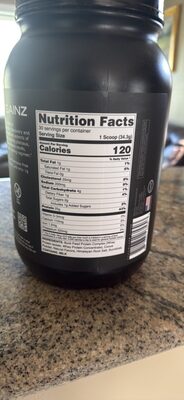
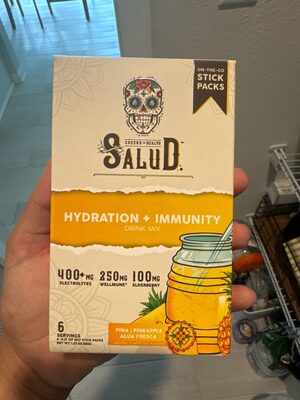
Auto-generated content. This description was generated automatically and is pending editorial review. Inaccuracies are possible. Found a mistake? Contact us.