2% Added To Prevent Caking
Auto-generated content. This description was generated automatically and is pending editorial review. Inaccuracies are possible. Found a mistake? Contact us.
What it is
This refers to a small amount of an ingredient added to powdered or granulated foods to prevent them from clumping together. Common anti-caking agents include silicon dioxide, calcium silicate, and magnesium carbonate. They work by absorbing moisture and coating particles, keeping them separate.
Why it's used
Anti-caking agents are added to a wide variety of powdered foods to improve flowability and prevent hardening. They are frequently found in seasoning mixes, salt, powdered sugar, baking mixes, and spices. This ensures the product remains free-flowing and easy to use.
Health notes
Many anti-caking agents, such as silicon dioxide and calcium silicate, are Generally Recognized As Safe (GRAS) by the FDA for use in food. International bodies like JECFA and EFSA have also evaluated these substances. At the low levels typically used in food, they are not associated with adverse health effects.
Allergen info
Most common anti-caking agents are not derived from major allergens. They are mineral-based or synthetic compounds. Not a major allergen.
Products containing 2% Added To Prevent Caking
Compare products →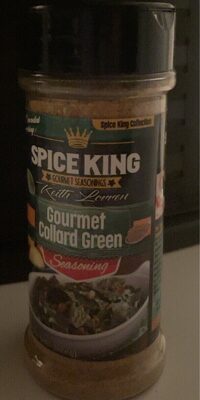 The Widget Development & Trading Company, LLC
Gourmet Collard Green Seasonings
286kcal
0Protein
0Fat
57.1Carbs
The Widget Development & Trading Company, LLC
Gourmet Seasoned Sea Salt Seasoning
94kcal
0Protein
0Fat
37.7Carbs
The Widget Development & Trading Company, LLC
Gourmet Grilled Steak & Burger Seasoning
0kcal
0Protein
0Fat
44.4Carbs
The Widget Development & Trading Company, LLC
Beef Stew & Oxtail Seasoning, Beef Stew & Oxtail
167kcal
0Protein
0Fat
33.3Carbs
The Widget Development & Trading Company, LLC
Gourmet Collard Green Seasonings
286kcal
0Protein
0Fat
57.1Carbs
The Widget Development & Trading Company, LLC
Gourmet Seasoned Sea Salt Seasoning
94kcal
0Protein
0Fat
37.7Carbs
The Widget Development & Trading Company, LLC
Gourmet Grilled Steak & Burger Seasoning
0kcal
0Protein
0Fat
44.4Carbs
The Widget Development & Trading Company, LLC
Beef Stew & Oxtail Seasoning, Beef Stew & Oxtail
167kcal
0Protein
0Fat
33.3Carbs