Artificial Flavoring
What is Artificial Flavoring?
Artificial flavoring is a substance added to food to give it a specific taste or smell. These are typically made in a lab using chemicals, though some may start with natural sources like plants or animals. The goal is to mimic natural flavors or create entirely new ones.
Is Artificial Flavoring a major allergen?
Artificial flavors are not typically derived from the major allergens.
What is Artificial Flavoring used for?
Manufacturers use artificial flavors to enhance or impart taste and aroma in a wide variety of foods.
Is Artificial Flavoring safe?
Artificial flavors are regulated by the FDA and are generally recognized as safe (GRAS) when used as intended.
Why it's used
Manufacturers use artificial flavors to enhance or impart taste and aroma in a wide variety of foods. They are common in processed snacks, candies, baked goods, beverages, and dairy products. These flavors help make foods more appealing to consumers.
Health notes
Artificial flavors are regulated by the FDA and are generally recognized as safe (GRAS) when used as intended. The Joint FAO/WHO Expert Committee on Food Additives (JECFA) and the European Food Safety Authority (EFSA) have also evaluated many artificial flavorings. While generally considered safe at typical consumption levels, some individuals may report sensitivities. Research into the long-term health effects of consuming a combination of artificial ingredients is ongoing.
Allergen info
Artificial flavors are not typically derived from the major allergens. However, specific ingredients used to create a flavor profile could potentially be derived from allergens, so checking the product's full ingredient list is always recommended. Not a major allergen.
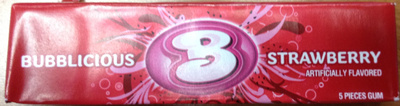
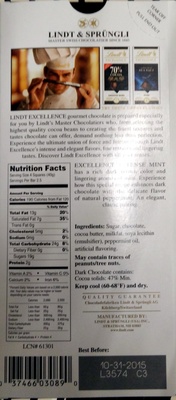
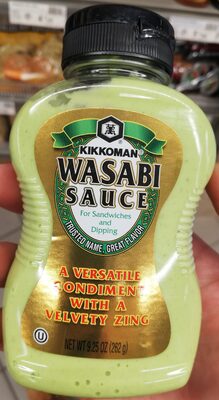
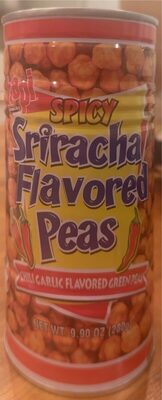
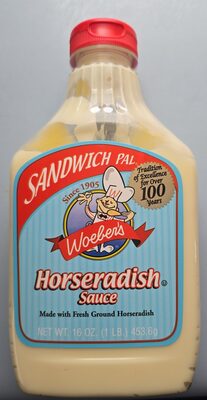
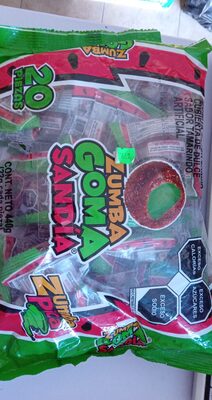
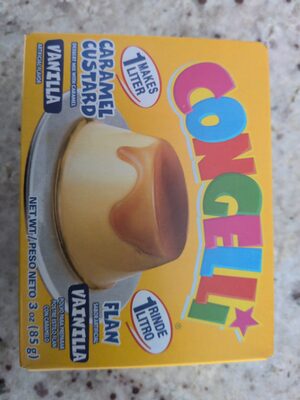
Foods that contain Artificial Flavoring
Compare products →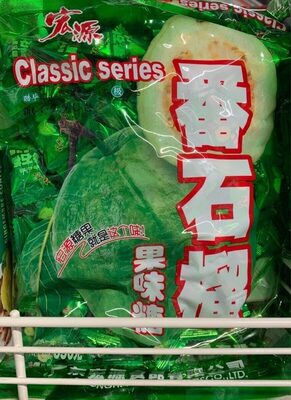







Learn more
Auto-generated content. This description was generated automatically and is pending editorial review. Inaccuracies are possible. Found a mistake? Contact us.