2% Or Less Sea Salt
What is 2% Or Less Sea Salt?
Sea salt is salt produced by the evaporation of ocean water. It is less processed than table salt and may contain trace minerals like magnesium, potassium, and calcium, which can affect its flavor and texture. The "2% or less" designation indicates the amount of sea salt used as an ingredient in the final product.
Is 2% Or Less Sea Salt vegan?
2% Or Less Sea Salt is not animal-derived. Products that contain it can still include other animal-derived ingredients, so check the full ingredient list.
Is 2% Or Less Sea Salt a major allergen?
Not a major allergen.
What is 2% Or Less Sea Salt used for?
Sea salt is primarily used to enhance the flavor of foods, adding a salty taste.
Is 2% Or Less Sea Salt safe?
Sea salt is chemically the same as table salt (sodium chloride).
Why it's used
Sea salt is primarily used to enhance the flavor of foods, adding a salty taste. It can also act as a preservative by drawing out moisture. It is commonly found in processed foods like frozen appetizers, breakfast sandwiches, and prepared meals.
Health notes
Sea salt is chemically the same as table salt (sodium chloride). The U.S. Food and Drug Administration (FDA) recommends limiting sodium intake to less than 2,300 mg per day. While sea salt may contain trace minerals, they are typically present in very small amounts and do not significantly alter the health impact compared to regular salt. The World Health Organization (WHO) also recommends limiting sodium intake. High sodium intake is associated with increased blood pressure.
Allergen info
Not a major allergen.
Foods that contain 2% Or Less Sea Salt
Compare products →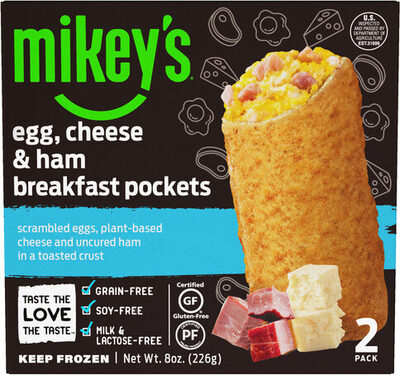 JMT Foods
Egg, Cheese & Ham Breakfast Pockets Scrambled Eggs, Plant-Based Cheese And Uncured Ham In A Toasted Crust, Egg, Cheese & Ham Breakfast Pockets
High in saturated fat — 25% DV per serving
High in cholesterol — 48% DV per serving
257kcal
8.8Protein
15.9Fat
20.4Carbs
JMT Foods
Ham & Cheese Pockets Uncured Ham And Plant-Based Mozzarella In A Toasted Crust, Ham & Cheese Pockets
High in sodium — 21% DV per serving
High in saturated fat — 40% DV per serving
265kcal
8.0Protein
15.9Fat
23.0Carbs
J & B Sausage Company, Inc.
Seasoned Pulled Pork
High in sodium — 21% DV per serving
High in saturated fat — 30% DV per serving
235kcal
14.1Protein
18.8Fat
2.4Carbs
JMT Foods
Egg, Cheese & Ham Breakfast Pockets Scrambled Eggs, Plant-Based Cheese And Uncured Ham In A Toasted Crust, Egg, Cheese & Ham Breakfast Pockets
High in saturated fat — 25% DV per serving
High in cholesterol — 48% DV per serving
257kcal
8.8Protein
15.9Fat
20.4Carbs
JMT Foods
Ham & Cheese Pockets Uncured Ham And Plant-Based Mozzarella In A Toasted Crust, Ham & Cheese Pockets
High in sodium — 21% DV per serving
High in saturated fat — 40% DV per serving
265kcal
8.0Protein
15.9Fat
23.0Carbs
J & B Sausage Company, Inc.
Seasoned Pulled Pork
High in sodium — 21% DV per serving
High in saturated fat — 30% DV per serving
235kcal
14.1Protein
18.8Fat
2.4Carbs
Auto-generated content. This description was generated automatically and is pending editorial review. Inaccuracies are possible. Found a mistake? Contact us.