33% Rose
What is 33% Rose?
Rose is a flavoring derived from the petals of rose flowers. The petals are typically steeped in water or oil, or distilled to create rose water or rose oil, which capture the flower's distinct aroma and flavor. These extracts are then used in food products.
Is 33% Rose vegan?
33% Rose is not animal-derived. Products that contain it can still include other animal-derived ingredients, so check the full ingredient list.
Is 33% Rose gluten-free?
Rose is not a major allergen and does not contain gluten.
What is 33% Rose used for?
Rose extract is primarily used to add a floral flavor and aroma to foods and beverages.
Is 33% Rose safe?
Rose extracts are generally recognized as safe (GRAS) by the FDA for use as flavoring agents.
Why it's used
Rose extract is primarily used to add a floral flavor and aroma to foods and beverages. It is often found in desserts, baked goods, teas, and other drinks. Manufacturers use it to create unique and sophisticated flavor profiles.
Health notes
Rose extracts are generally recognized as safe (GRAS) by the FDA for use as flavoring agents. There are no specific health concerns associated with typical consumption levels of rose flavoring. Regulatory bodies like JECFA have evaluated rose flavorings, but no specific ADI has been set.
Allergen info
Rose is not a major allergen and does not contain gluten.
Foods that contain 33% Rose
Compare products →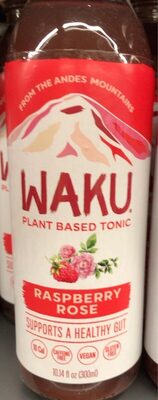
Learn more
Auto-generated content. This description was generated automatically and is pending editorial review. Inaccuracies are possible. Found a mistake? Contact us.