4:1
What is 4:1?
4:1 is a sweetener derived from stevia leaf extract. It is a highly purified form of steviol glycosides, which are naturally occurring compounds in the stevia plant that give it its sweet taste. The "4:1" refers to the ratio of Rebaudioside A to Rebaudioside D, two specific steviol glycosides.
Is 4:1 vegan?
4:1 is not animal-derived. Products that contain it can still include other animal-derived ingredients, so check the full ingredient list.
Is 4:1 gluten-free?
It does not contain gluten.
Is 4:1 a major allergen?
4:1 is derived from the stevia plant and is not one of the nine FDA major allergens.
What is 4:1 used for?
4:1 is used as a high-intensity sweetener in a variety of food and beverage products.
Is 4:1 safe?
In the U.S., highly purified stevia leaf extracts, including 4:1, are generally recognized as safe (GRAS) by the FDA.
Why it's used
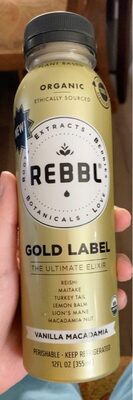
4:1 is used as a high-intensity sweetener in a variety of food and beverage products. It provides sweetness with very few calories, making it an option for sugar reduction. It is often found in products like nut butters, honey, and other drinks.
Health notes
In the U.S., highly purified stevia leaf extracts, including 4:1, are generally recognized as safe (GRAS) by the FDA. International bodies like JECFA and EFSA have evaluated steviol glycosides and established acceptable daily intake levels. At typical consumption levels, these sweeteners are considered safe. Research has not shown adverse health effects from consuming these sweeteners within established limits.
Allergen info
4:1 is derived from the stevia plant and is not one of the nine FDA major allergens. It does not contain gluten.
Foods that contain 4:1
Compare products →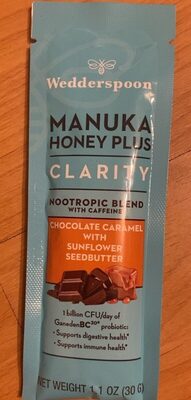
Learn more
Auto-generated content. This description was generated automatically and is pending editorial review. Inaccuracies are possible. Found a mistake? Contact us.