Acerola Cherry
What is Acerola Cherry?
Acerola cherry, also known as Barbados cherry, is a tropical fruit native to South America and the Caribbean. It is known for being exceptionally rich in vitamin C. The fruit is typically processed into juice, powder, or extract for use in food products.
Is Acerola Cherry vegan?
Acerola Cherry is not animal-derived. Products that contain it can still include other animal-derived ingredients, so check the full ingredient list.
Is Acerola Cherry gluten-free?
It does not contain gluten.
Is Acerola Cherry a major allergen?
Acerola cherry is not one of the nine major allergens recognized by the FDA.
What is Acerola Cherry used for?
Acerola cherry is primarily used as a natural source of vitamin C and as a flavoring agent.
Is Acerola Cherry safe?
In the U.S., acerola cherry is generally recognized as safe (GRAS) by the FDA when used as a food ingredient.
Why it's used
Acerola cherry is primarily used as a natural source of vitamin C and as a flavoring agent. Its high vitamin C content also provides antioxidant benefits and can act as a natural preservative. It is commonly found in beverages, energy bars, and dietary supplements.
Health notes
In the U.S., acerola cherry is generally recognized as safe (GRAS) by the FDA when used as a food ingredient. Its high vitamin C content is well-established, and it contributes to meeting daily vitamin C requirements. JECFA and EFSA have evaluated acerola cherry extract and found it safe for consumption. No significant controversies exist regarding its use at typical dietary levels.
Allergen info
Acerola cherry is not one of the nine major allergens recognized by the FDA. It does not contain gluten.
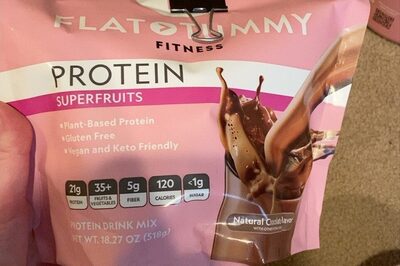
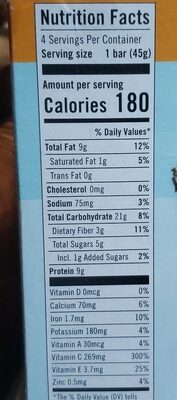
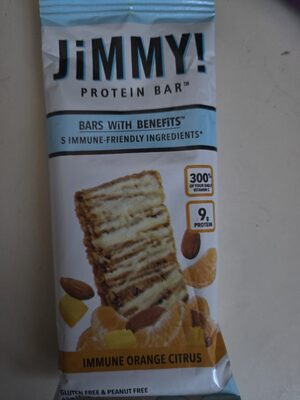
Foods that contain Acerola Cherry
Compare products →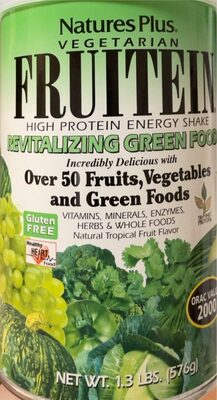
Auto-generated content. This description was generated automatically and is pending editorial review. Inaccuracies are possible. Found a mistake? Contact us.