Acesulfame-k & Neotame
What is Acesulfame-k & Neotame?
Acesulfame potassium (Ace-K) and neotame are both artificial sweeteners. Ace-K is about 200 times sweeter than sugar and is often blended with other sweeteners. Neotame is about 7,000 times sweeter than sugar and is derived from aspartic acid and phenylalanine.
Is Acesulfame-k & Neotame vegan?
Acesulfame-k & Neotame is not animal-derived. Products that contain it can still include other animal-derived ingredients, so check the full ingredient list.
Is Acesulfame-k & Neotame gluten-free?
They do not contain gluten.
Is Acesulfame-k & Neotame a major allergen?
Neither Acesulfame-K nor neotame are derived from major allergens.
What is Acesulfame-k & Neotame used for?
These high-intensity sweeteners are used to provide sweetness with few or no calories.
Is Acesulfame-k & Neotame safe?
Both Ace-K and neotame are approved by the FDA as food additives.
Why it's used
These high-intensity sweeteners are used to provide sweetness with few or no calories. They are often found in beverages, baked goods, dairy products, and tabletop sweeteners. Their stability makes them suitable for a wide range of food applications.
Health notes
Both Ace-K and neotame are approved by the FDA as food additives. JECFA has evaluated both sweeteners and established acceptable daily intakes. While generally recognized as safe at typical consumption levels, some individuals may experience sensitivities. Research is ongoing, but current evidence does not link these sweeteners to adverse health effects at approved levels.
Allergen info
Neither Acesulfame-K nor neotame are derived from major allergens. They do not contain gluten.
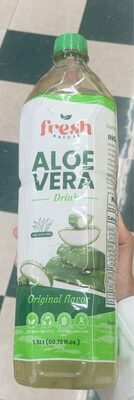
Foods that contain Acesulfame-k & Neotame
Compare products →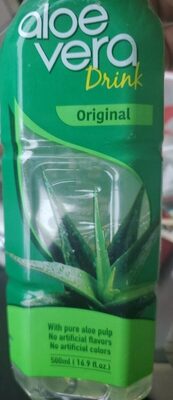
Learn more
Auto-generated content. This description was generated automatically and is pending editorial review. Inaccuracies are possible. Found a mistake? Contact us.