Agents
What is Agents?
Leavening agents are substances that cause doughs and batters to rise, creating a lighter texture. They work by producing gas bubbles, most commonly carbon dioxide. Common examples include baking soda, baking powder, and yeast.
Is Agents vegan?
Agents is not animal-derived. Products that contain it can still include other animal-derived ingredients, so check the full ingredient list.
Is Agents gluten-free?
Gluten is not typically associated with leavening agents themselves, but can be present in the foods they are used in.
Is Agents a major allergen?
Most common leavening agents are not derived from major allergens.
What is Agents used for?
Leavening agents are added to baked goods like cakes, cookies, and bread to make them expand and become fluffy.
Is Agents safe?
Leavening agents are generally considered safe when used as intended.
Why it's used
Leavening agents are added to baked goods like cakes, cookies, and bread to make them expand and become fluffy. They are also used in some fried foods to improve their texture. Without leavening agents, these foods would be dense and flat.
Health notes
Leavening agents are generally considered safe when used as intended. Baking soda (sodium bicarbonate) and baking powder are common food additives approved by the FDA. The FDA has not set specific upper intake levels for these ingredients. JECFA has evaluated some leavening agents and established acceptable daily intakes.
Allergen info
Most common leavening agents are not derived from major allergens. However, some baking powders may contain cornstarch, which is not a major allergen but can be a concern for those with corn sensitivities. Gluten is not typically associated with leavening agents themselves, but can be present in the foods they are used in.
Foods that contain Agents
Compare products →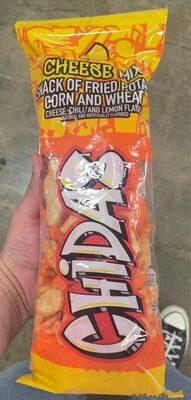 GS1 Mexico
Snack Of Fried Potato Cheese Mix, Cheese Chill And Lemon
533kcal
6.7Protein
26.7Fat
63.3Carbs
Hellema-Hallum B.V.
Hellema, Foure, Cocoa Biscuits With Cocoa Flavoured Cream Filling
500kcal
5Protein
22.5Fat
70Carbs
AYABLU Incorporated
Mojito Pastilles, Mojito
High in added sugars — 30% DV per serving
400kcal
0Protein
0Fat
100Carbs
GS1 Mexico
Snack Of Fried Potato Cheese Mix, Cheese Chill And Lemon
533kcal
6.7Protein
26.7Fat
63.3Carbs
Hellema-Hallum B.V.
Hellema, Foure, Cocoa Biscuits With Cocoa Flavoured Cream Filling
500kcal
5Protein
22.5Fat
70Carbs
AYABLU Incorporated
Mojito Pastilles, Mojito
High in added sugars — 30% DV per serving
400kcal
0Protein
0Fat
100Carbs
Auto-generated content. This description was generated automatically and is pending editorial review. Inaccuracies are possible. Found a mistake? Contact us.