Monocalcium Phosphate
Auto-generated content. This description was generated automatically and is pending editorial review. Inaccuracies are possible. Found a mistake? Contact us.
What it is
Monocalcium phosphate is an inorganic compound made from calcium and phosphate. It is typically produced by reacting phosphoric acid with calcium carbonate or calcium hydroxide. This white, odorless powder is a common food additive.
Why it's used
Manufacturers add monocalcium phosphate primarily as a leavening agent, often combined with baking soda, in baked goods like cakes, cookies, and biscuits. It also functions as an acidity regulator and a firming agent in some processed foods and cereals. Its use helps dough rise and improves the texture of many products.
Health notes
In the United States, monocalcium phosphate is generally recognized as safe (GRAS) by the FDA when used according to good manufacturing practices. It is a source of calcium and phosphorus, which are essential minerals. JECFA (the Joint FAO/WHO Expert Committee on Food Additives) has evaluated monocalcium phosphate and did not set a numeric acceptable daily intake (ADI not specified), concluding that it poses no health concern at current intake levels. EFSA (the European Food Safety Authority) has also evaluated it and found no safety concerns. There are no notable controversies regarding its safety at typical consumption levels.
Allergen info
Not a major allergen.
Products containing Monocalcium Phosphate
Compare products →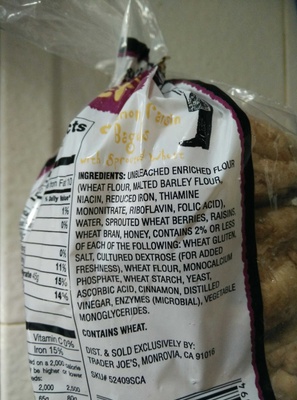 TRADER JOE'S
Bagel Josef's Cinnamon Raisin Bagel, With Sprouted Wheat
259kcal
10.6Protein
1.2Fat
52.9Carbs
TRADER JOE'S
Bagel Josef's Cinnamon Raisin Bagel, With Sprouted Wheat
259kcal
10.6Protein
1.2Fat
52.9Carbs