Baking Powder
What is Baking Powder?
Baking powder is a dry chemical leavening agent, a mixture of a carbonate or bicarbonate, a weak acid, and a starch. When moistened and/or heated, the acid reacts with the bicarbonate to produce carbon dioxide gas. This gas creates bubbles, causing baked goods to rise.
Is Baking Powder vegan?
Baking Powder is not animal-derived. Products that contain it can still include other animal-derived ingredients, so check the full ingredient list.
Is Baking Powder a major allergen?
Not a major allergen.
What is Baking Powder used for?
Manufacturers add baking powder to baked goods to make them light and airy.
Is Baking Powder safe?
The individual components of baking powder, such as sodium bicarbonate and various phosphate or sulfate salts, are generally recognized as safe (GRAS) by the FDA for use in food.
Why it's used
Manufacturers add baking powder to baked goods to make them light and airy. It is commonly found in cakes, cookies, muffins, pancakes, and quick breads, where it helps the dough or batter rise during baking.
Health notes
The individual components of baking powder, such as sodium bicarbonate and various phosphate or sulfate salts, are generally recognized as safe (GRAS) by the FDA for use in food. At typical intake levels, baking powder is considered safe. However, consuming very large amounts could lead to digestive upset due to its sodium content. JECFA has evaluated components like sodium bicarbonate and various phosphates and has set acceptable daily intakes or deemed them safe for use. There are no notable controversies regarding the safety of baking powder itself when used as intended.
Allergen info
Not a major allergen. While some formulations may contain corn starch, corn is not one of the nine major food allergens identified by the FDA.
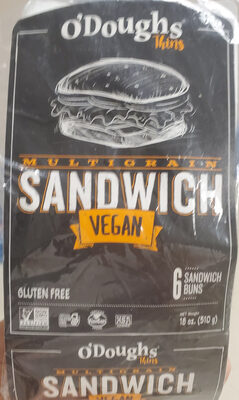
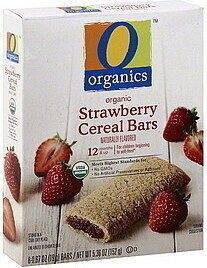
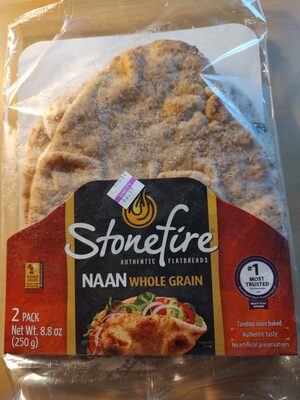
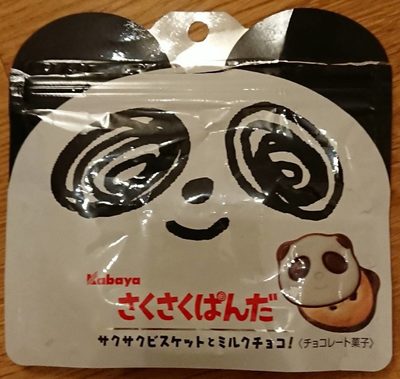
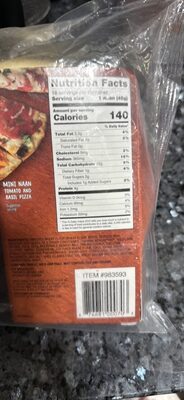
Foods that contain Baking Powder
Compare products →












Auto-generated content. This description was generated automatically and is pending editorial review. Inaccuracies are possible. Found a mistake? Contact us.