Aleppo Pepper
What is Aleppo Pepper?
Aleppo pepper is a variety of chili pepper (Capsicum annuum) native to the Middle East, particularly Syria. The peppers are typically dried, de-seeded, and coarsely ground, often with a bit of oil added to help preserve their flavor and color.
Is Aleppo Pepper vegan?
Aleppo Pepper is not animal-derived. Products that contain it can still include other animal-derived ingredients, so check the full ingredient list.
Is Aleppo Pepper gluten-free?
It does not contain gluten.
Is Aleppo Pepper a major allergen?
Aleppo pepper is not derived from any of the 9 FDA major allergens.
What is Aleppo Pepper used for?
It is used as a spice to add a mild, fruity heat and a touch of richness to a wide variety of dishes.
Is Aleppo Pepper safe?
Aleppo pepper is generally recognized as safe (GRAS) by the FDA when used as a spice.
Why it's used
It is used as a spice to add a mild, fruity heat and a touch of richness to a wide variety of dishes. Manufacturers use it to enhance the flavor profile of foods like spice blends, marinades, rubs, and savory snacks.
Health notes
Aleppo pepper is generally recognized as safe (GRAS) by the FDA when used as a spice. It is a source of capsaicin, the compound that gives chili peppers their heat, which has been studied for various potential health effects. International bodies like JECFA have evaluated chili peppers and their extracts. Evidence regarding specific health benefits or risks at typical dietary intake levels is still being researched.
Allergen info
Aleppo pepper is not derived from any of the 9 FDA major allergens. It does not contain gluten.
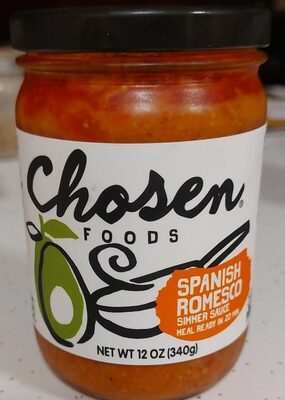
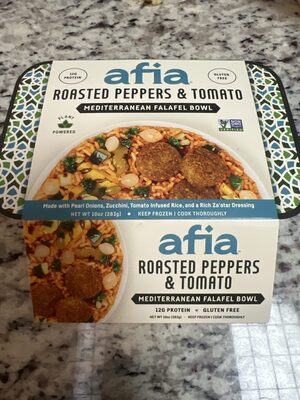
Foods that contain Aleppo Pepper
Compare products →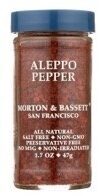

Learn more
Auto-generated content. This description was generated automatically and is pending editorial review. Inaccuracies are possible. Found a mistake? Contact us.