Allulose Powder
What is Allulose Powder?
Allulose is a rare sugar that occurs naturally in small amounts in foods like wheat, raisins, and figs. It is made commercially by converting fructose, often from corn or wheat, using an enzymatic process. It has a taste similar to sucrose (table sugar) but with fewer calories.
Is Allulose Powder vegan?
Allulose Powder is not animal-derived. Products that contain it can still include other animal-derived ingredients, so check the full ingredient list.
Is Allulose Powder gluten-free?
It is also gluten-free.
Is Allulose Powder a major allergen?
Allulose is not derived from any of the 9 FDA major allergens.
What is Allulose Powder used for?
Manufacturers use allulose as a low-calorie sweetener.
Is Allulose Powder safe?
In the US, allulose is generally recognized as safe (GRAS) by the FDA for use as a sweetener.
Why it's used
Manufacturers use allulose as a low-calorie sweetener. It provides sweetness and bulk similar to sugar but with about 70% of the sweetness and 0.4 calories per gram. It is often found in baked goods, beverages, and confectioneries.
Health notes
In the US, allulose is generally recognized as safe (GRAS) by the FDA for use as a sweetener. JECFA has evaluated allulose and determined it is not expected to pose any safety concerns when consumed at levels consistent with its use in food. Some studies suggest it may have a lower impact on blood glucose and insulin levels compared to other sugars.
Allergen info
Allulose is not derived from any of the 9 FDA major allergens. It is also gluten-free.
Foods that contain Allulose Powder
Compare products →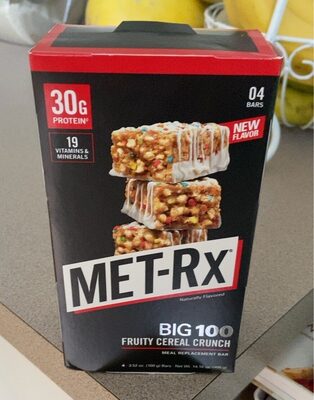
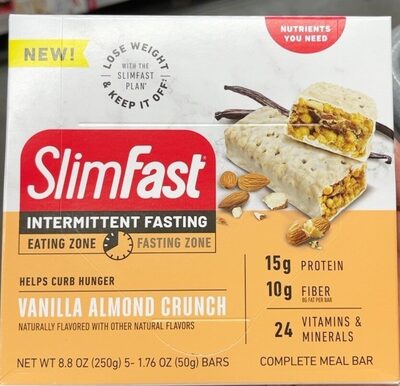
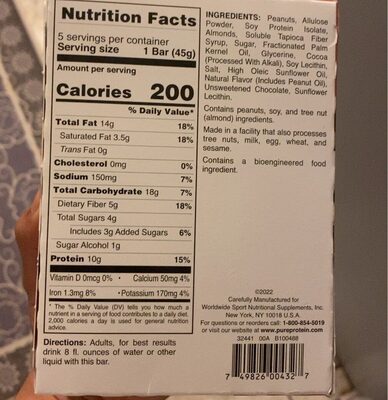
Learn more
Auto-generated content. This description was generated automatically and is pending editorial review. Inaccuracies are possible. Found a mistake? Contact us.